
BRAHMS AND THE LITTLE MERMAID
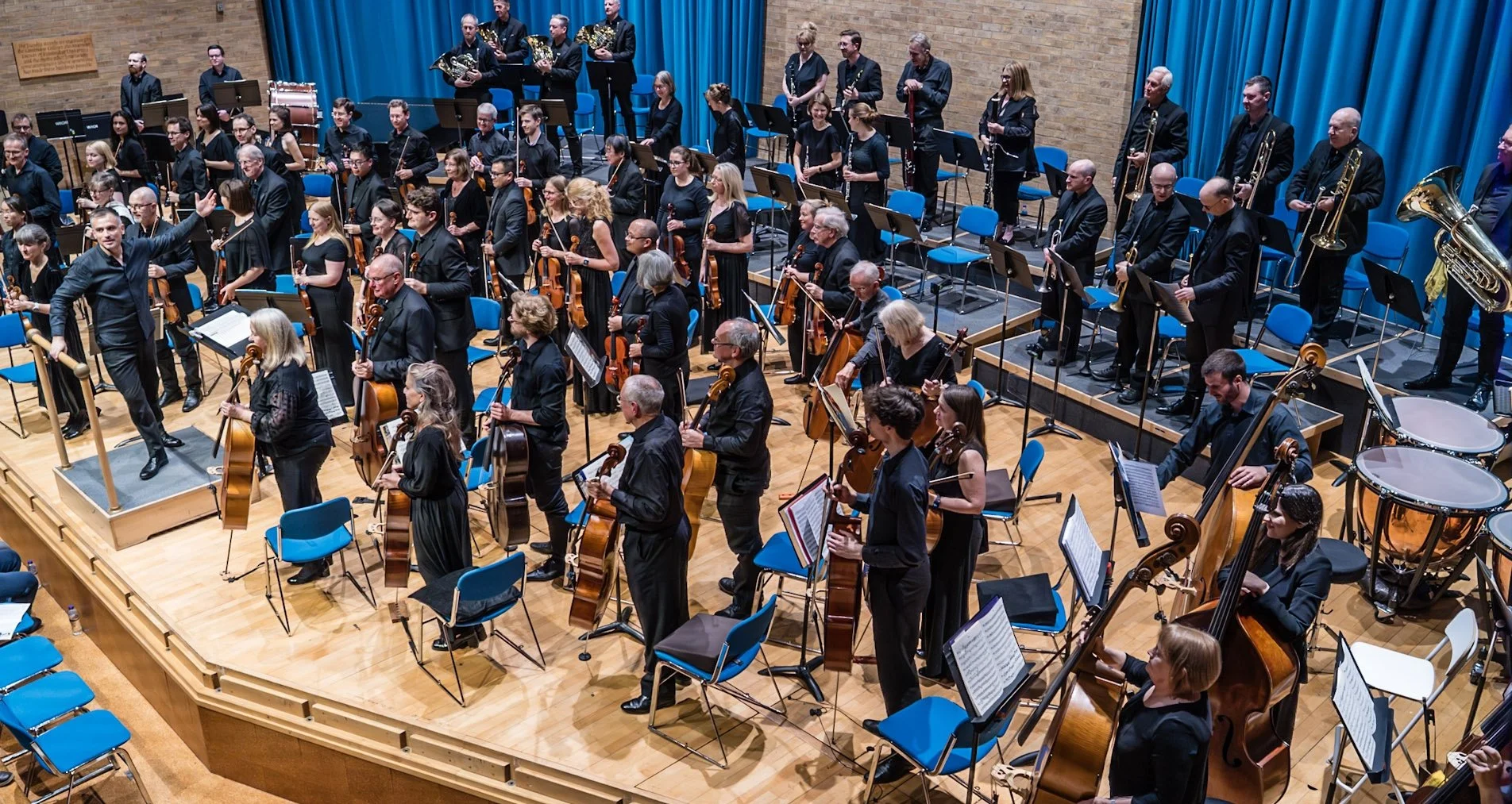
Vienna is surely famous for great food and greater composers. The latest concert by the City of Cambridge Symphony Orchestra (CCSO) began with a piece as delicious as a schnitzzel and ended with a rarely heard gem as rich and bittersweet as sachertorte. The first half filled the West Road hall brim with the Piano Concerto No. 2 by Brahms. Our soloist was Simon Callaghan who bounded on stage in a natty grey suit and tie, looking the very model of a modern business executive. His unshowy outer garb was a perfect cipher for his style of playing. It was well suited to the four-movement concerto. Brahm’s Second is a far cry from the rugged symphonic grandeur of the First. It carries its power with a light touch, an endless flow of melody and invention. Under the balletic baton of Robert Hodge, the orchestra was in top gear pulling off the many delightful duets with the piano (e.g. French horn and cello) as well as that most impassioned of movements, the second of the second with its achingly sensual driving rhythms. In this work, the piano is not in opposition to the band but almost one of the gang. Callaghan’s delicate touch caught the essence of this masterwork with sublime balance. The final allegretto was a joy with its dancing tunes and happy nature. All sections played well but the woodwinds seemed especially inspired.
After the interval came a long work (45 mins) that I have never heard: Die Seejungrau (The Mermaid) by Alexander von Zemlinsky. The tone poem musically tells the story of Hans Andersen’s eponymous fish lady – the rescue of a handsome prince in a storm at sea, promise of marriage and betrayal, the mermaid marooned on land before ascending to the land of spirits. The work is said to have inspired Zemlinsky by his unrequited love for Alma, who turned him aside for Mahler. Perhaps his own spirits soared upwards as a healing balm – who knows?
Zemlinsky, a tutor to Schonberg, could not have been more different in musical style. The three-movement piece, requiring a huge orchestra, is in fine late Romantic mode – sweeping melody, ingenious musical colouring, spine-tingling drama and tear-inducing pathos. There were hints of Tchaikovsky, snatches of Richard Straussian storytelling with the orchestral brilliance of Mahler. But Zemlinksy, on the basis of this work which had been lost for over half a century, has a voice of his own. The orchestra sounded even more voluminous and confident than in the Brahms, and that is saying something. I fell in love with this work, and thus much praise for this fine orchestra and its excellent maestro.
The 90-minute concert offered a banquet of musical delicacies and true Viennese indulgence. West Road may be thousands of miles from the Ringstrasse, but if you don’t know the Brahms or the Zemlinsky, now is the time to wake up and smell the coffee.
Photo Credits; PAUL ASHLEY
The one note of sadness was the fund raising presence in the lobby of volunteers supporting The Arthur Rank Hospice. Their newsletter on hand in the foyer reminded us of their now perilous financial position given that they have face massive cuts in grant aid. That this wonderful caring hospice should be facing cutbacks in the number of patients they can assist seems beyond imagining.
If you wish to donate to the Arthur Rank Hospice go to their website
https://www.arhc.org.uk/donate/