THE CARNIVAL OF THE PLANETS - THE CLIO PROJECT
The Clio Project
What do the planets sound like? No, I don’t mean the suite of music by Holst – his was a portrait of the Roman gods like Mars and Jupiter, not the rocky domains whizzing around the solar system. Apparently the planets do have a musical signature. Listen carefully when you look up to the night sky – can you hear a melody from Mercury or a tune from Neptune? Barring hallucinatory tinnitus, the answer is probably not.
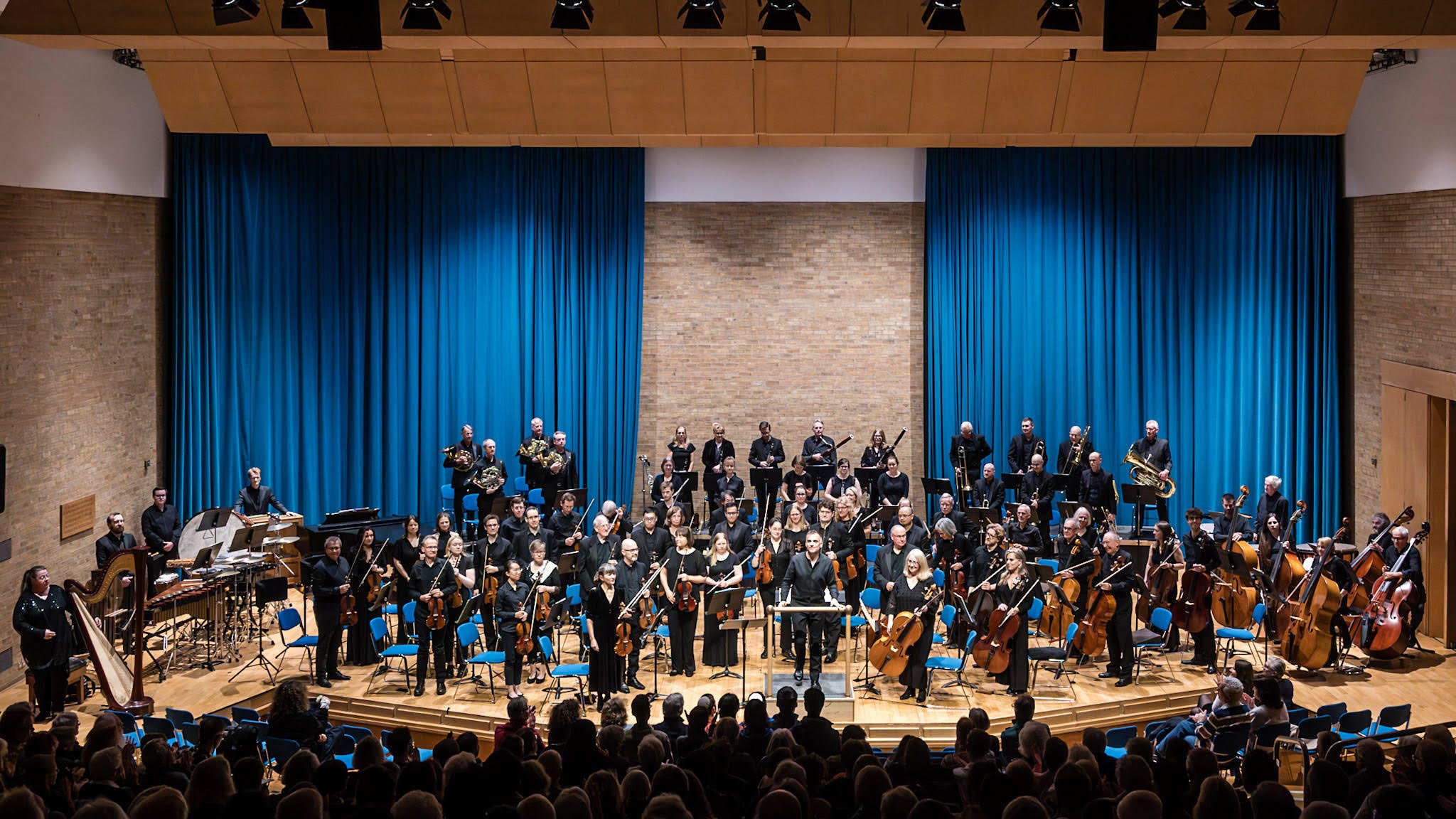
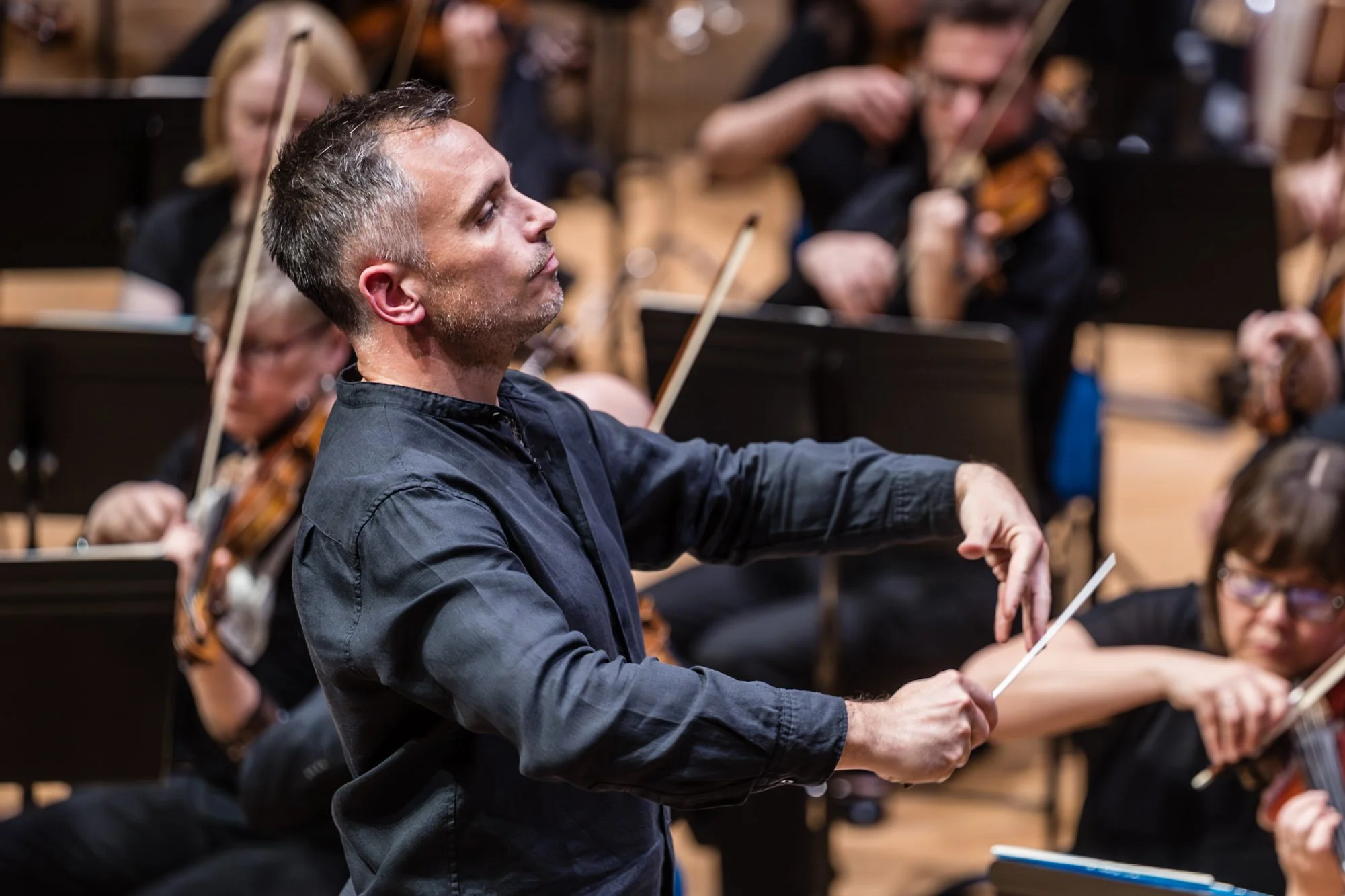
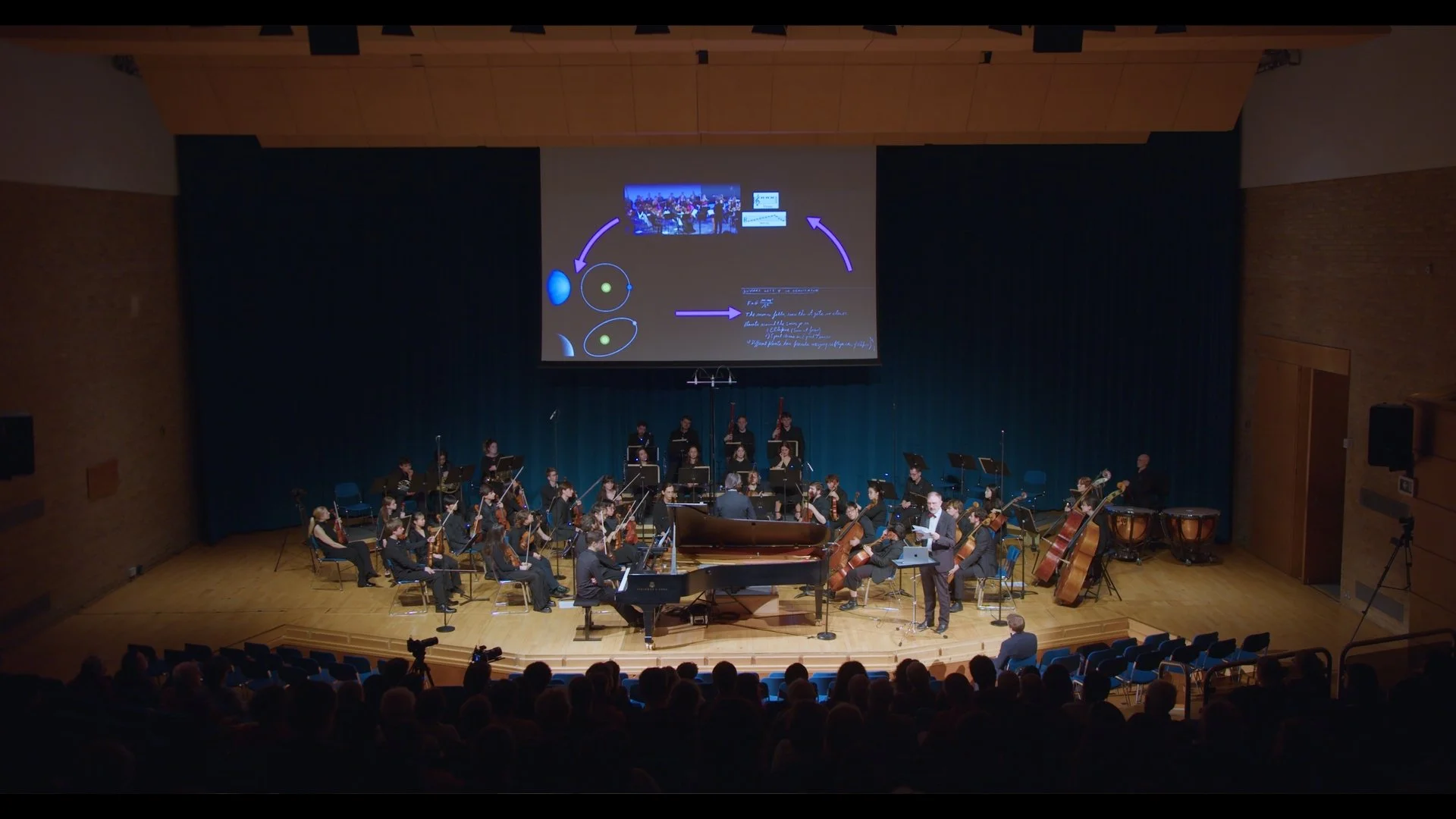
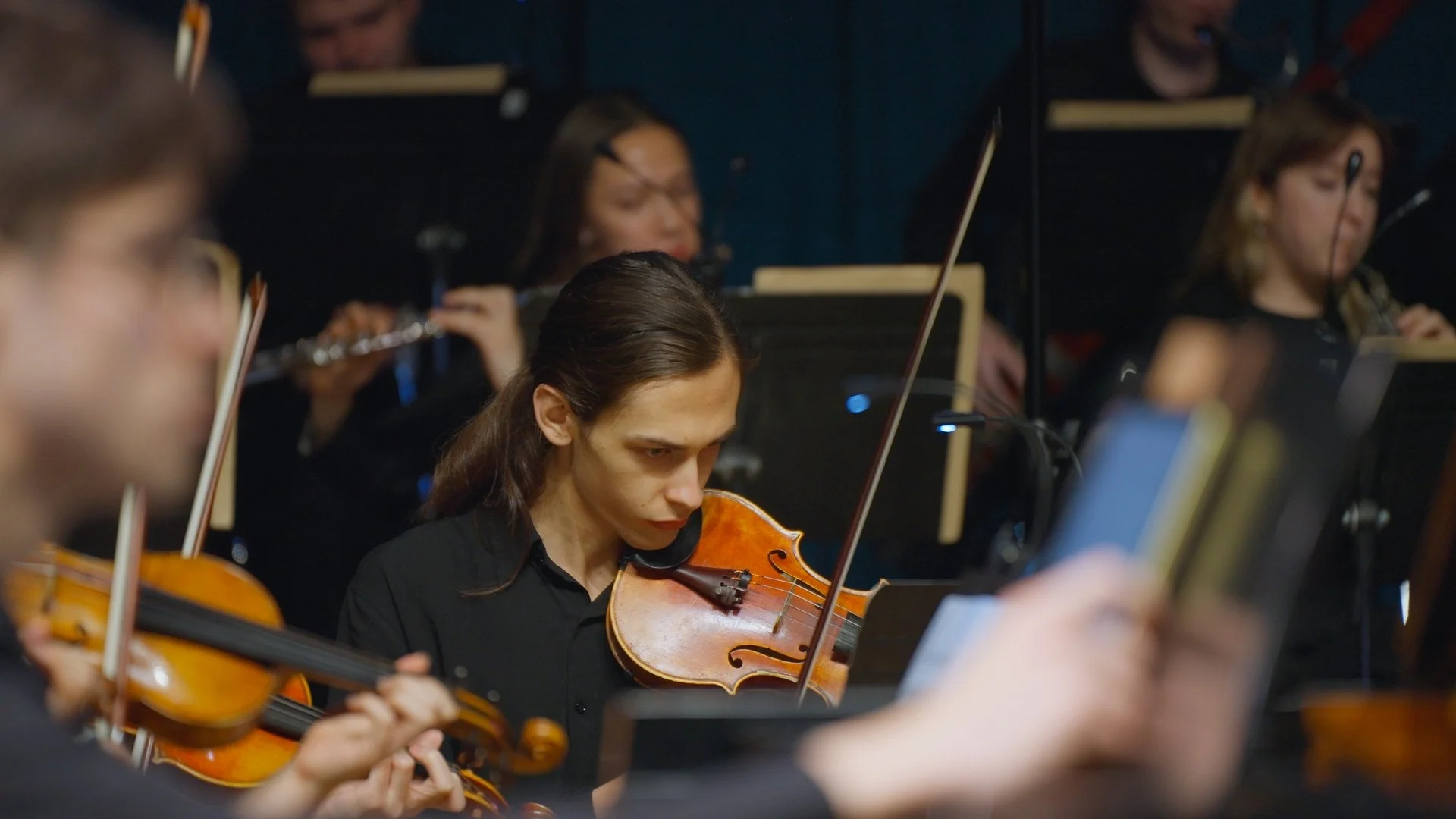
But according to the great astronomer Kepler, the orbits each planet create a kind of frequency which can be transmuted into notes on a stave. The Earth with a nice round orbit round the sun has three identical notes; Mercury with the most eccentric dance around our nearest star can be interpreted as a broad and extended melody. This idea of cosmic choruses has been put into a concert piece by Spanish composer Simon Précheur Llarana and Swiss astronomer Laurent Eyer. They presented their work ‘The Carnival of the Planets’ at the West Road Concert Hall last night. The suite of planetary movements was played by the full orchestra of the Clio Project under the baton of Alvin Arumugam
The first half was straightforward: Mendelssohn’s Overture to a Midsummer Night’s Dream. This work provided the necessary celestial mood of dreamy spirits and the other worldliness. The second work was Prokofiev’s Piano Concerto No. 3. This has long been one of my favourite works. It combines exciting jazz inspired rhythms with the composer’s use of Russian themes – folksy but with an edge. Soloist Alexander Doronin, gave it all he had (it is apparently a favourite of his too) with plenty of youthful passion, energy and fire in the Steinway belly. The orchestra were in perfect sync and sounded wonderful in Arumagam’s capable hands. It was fun, exciting and breathless.
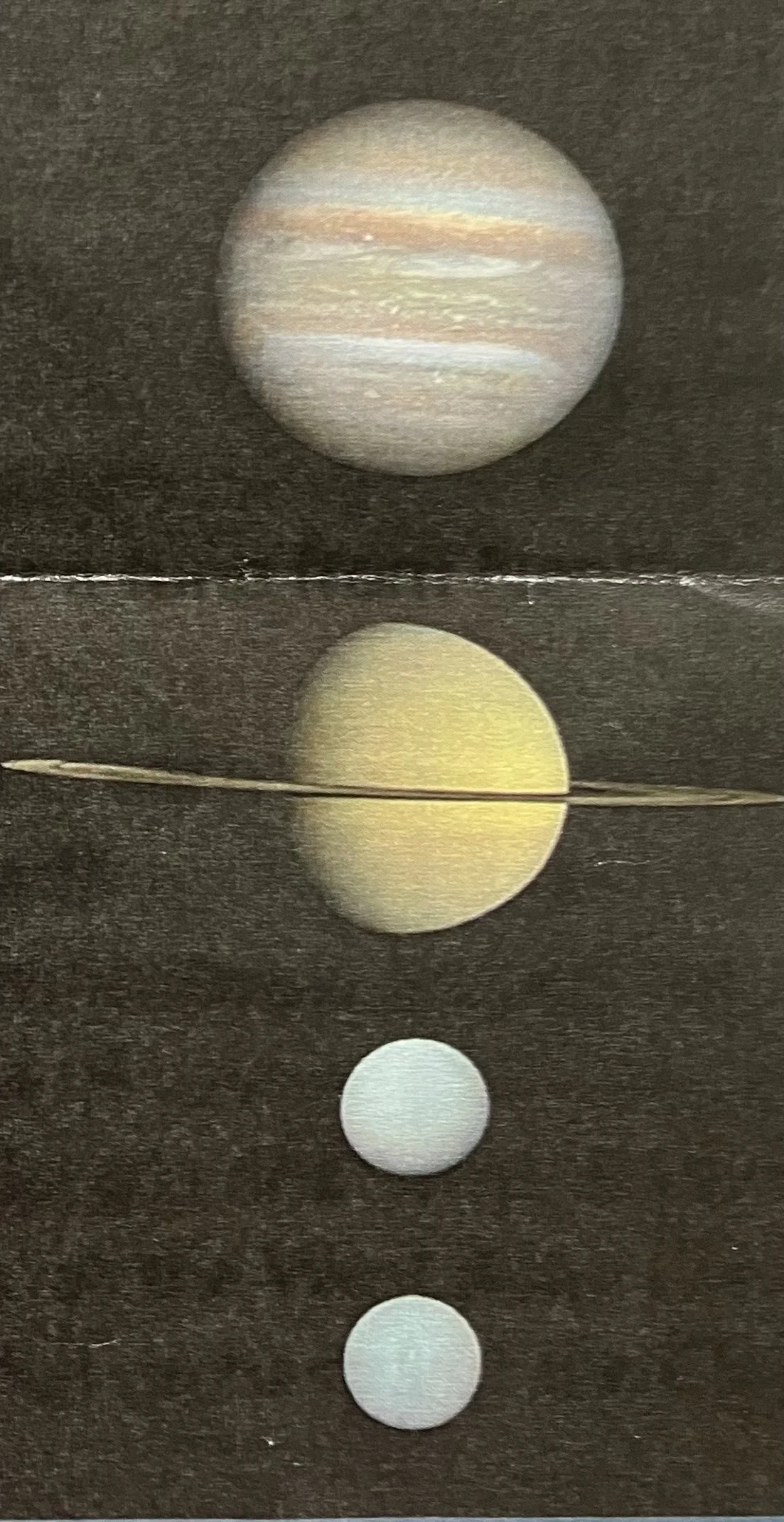
Then came the Planetary Carnival. It has to be said it was a very strange affair – an odd only-in-Cambridge event combining serious lecture illustrated by slides of planets in orbit and the music of the spheres. We were told of Kepler’s strange astro-musical musings and the young Spanish composer explained a few things. Each planet was introduced by the two chaps who kept leaping up from their seats in the auditorium to operate their laptop full of imagery. It was a touch clumsy I thought – the combination of read-out lecture and musical illustration did not sit well. Why not have a place on stage instead of all that awkward running up and down the steps to the stage? What might work better in future is a lectured pre-performance prologue or something a bit more poetic to introduce each of the planetary pieces: a kind of Walton’s Façade for the Cosmos.
All that said, the movements were very attractive – sweeping melodies in a very accessible style . It sounded like good film music from the 1930s. Doronin again led on the piano and at times the Carnival sounded more like a Romantic concerto. Although we saw images of each planet, it took some imagination to match melody to Mars or vivace to Venus. But in a way the inspiration for the music is incidental in many ways. It was a hugely enjoyable if slightly bizarre evening. So Cambridge. it’s a full moon tonight - if the skies are clear I will be looking up and listening for a lunar lullaby.
Photos: The Clio Project