William Morris at the Fitzwilliam
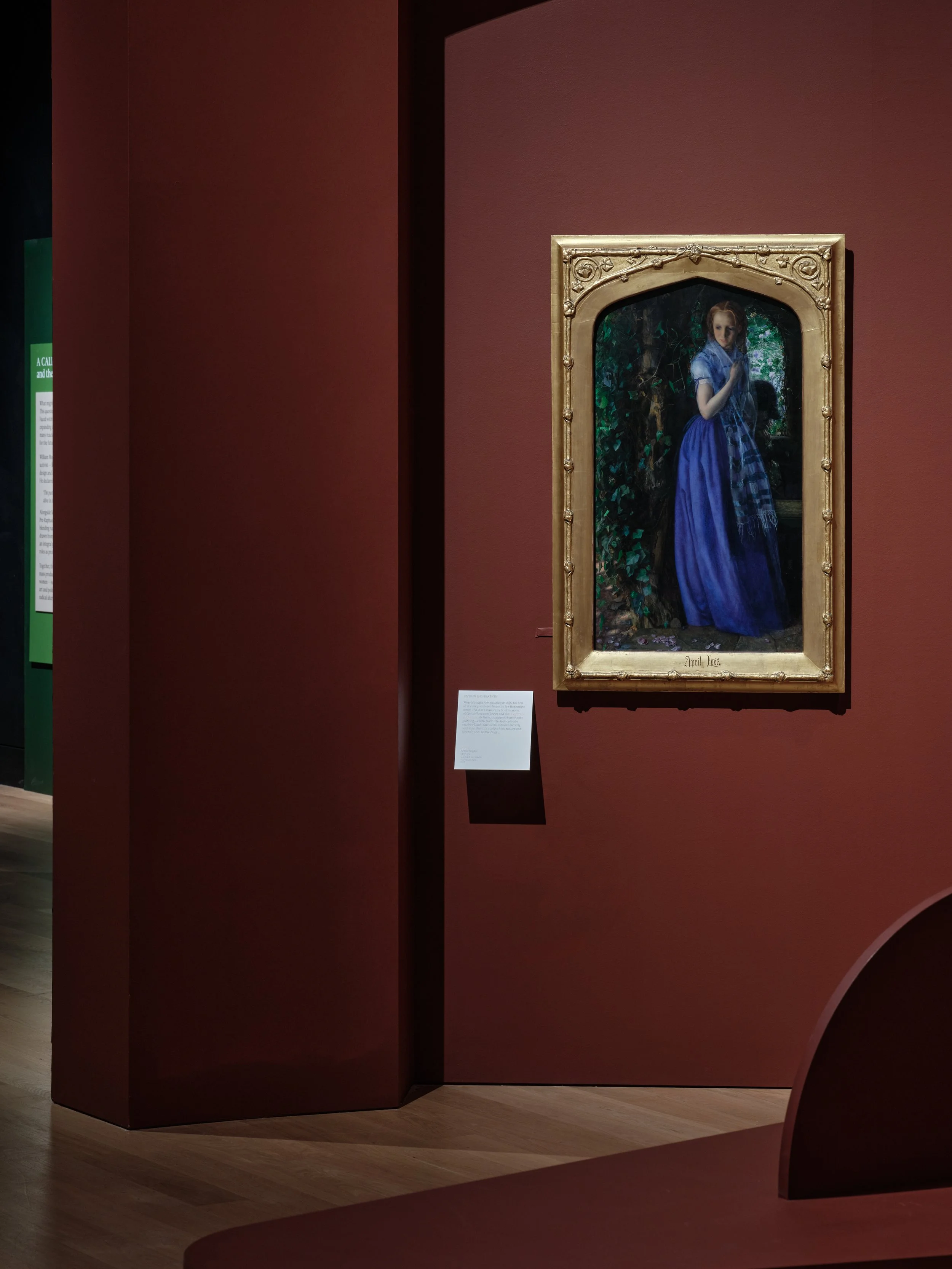
The Fitzwilliam have thrown everything at this amazing celebration of the once-sneered-at work of William Morris We return to the world of this once lauded figure in the Art of England with a flamboyant show reminiscent of the Big Picture trope of yesteryear. Heaped with luxurious design, groaning under the weight of expensive furniture ( even the Victorian royal household gibbed at the price of Morris Company’s curtains and returned them ) every step in the extensive space crowds visitors with dazzling exhibits. How far from the pared-back minimalist of single artist galleries and lonely paintings in a desert of stylish emptiness.Yet it had to so. William Morris worked thought and acted across the piece. He emerged as a philosophical Socialist with a revolutionary approach to design and what’s known today ( again ) as making..That is the point of the exhibition.
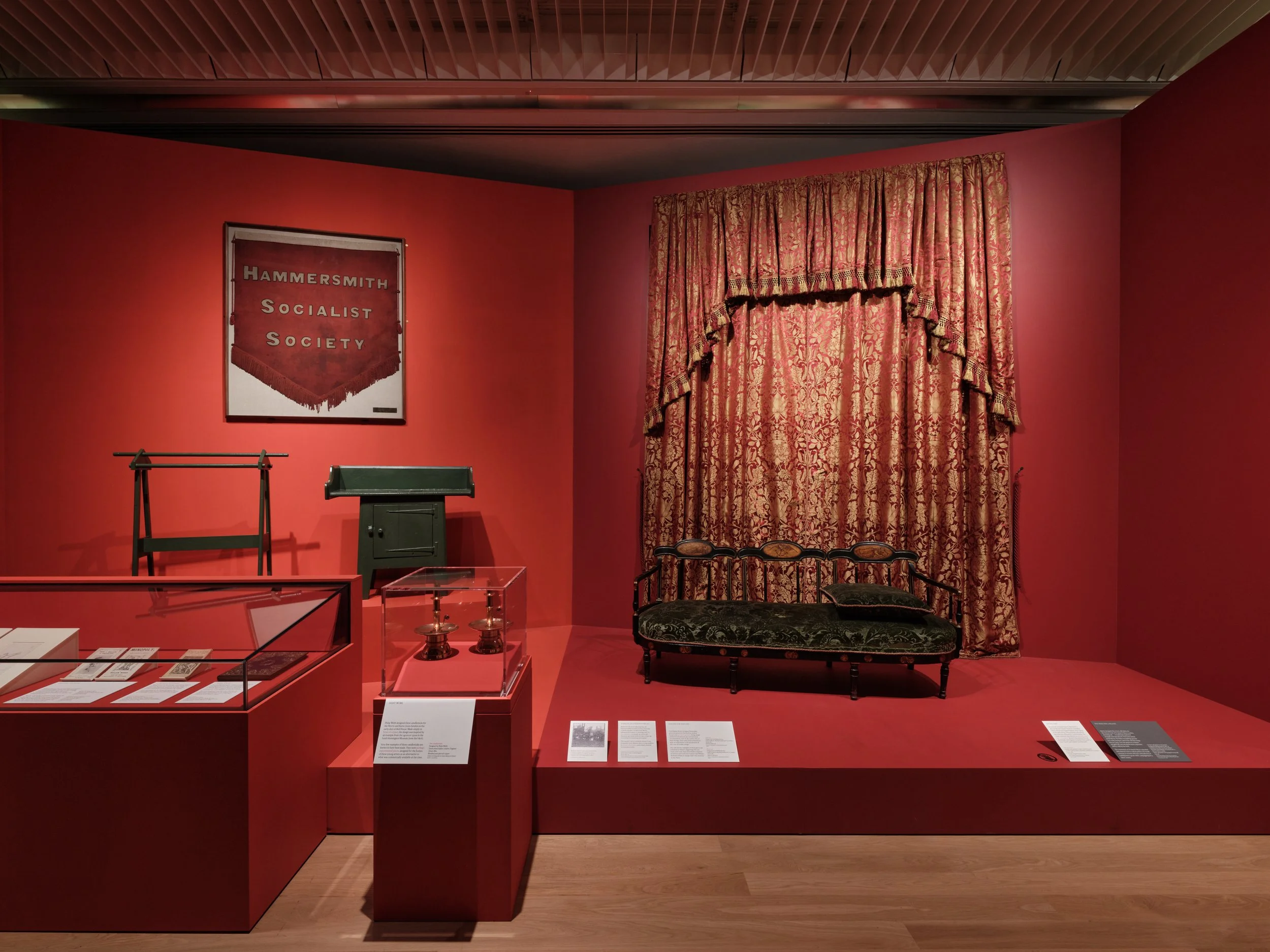
Gorgeous and sumptuous, the furniture and upholstery featured, combines the lavish with the hand made simple
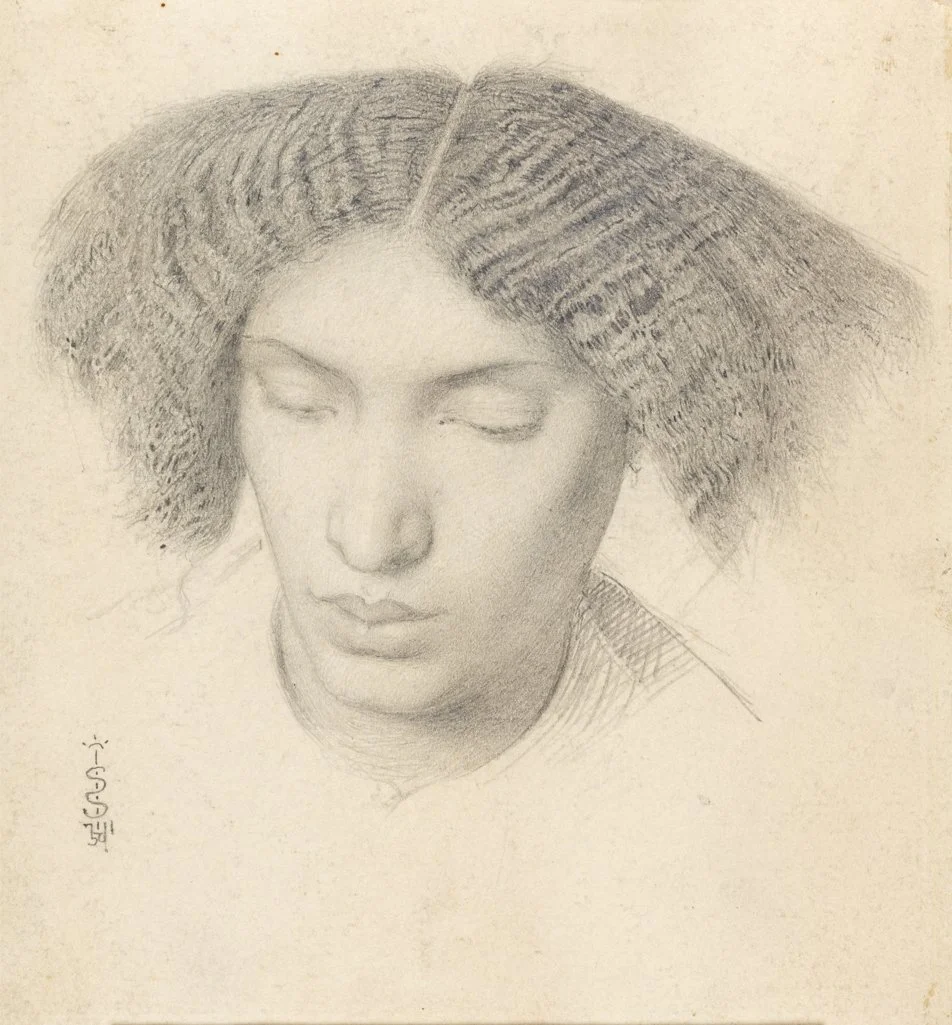
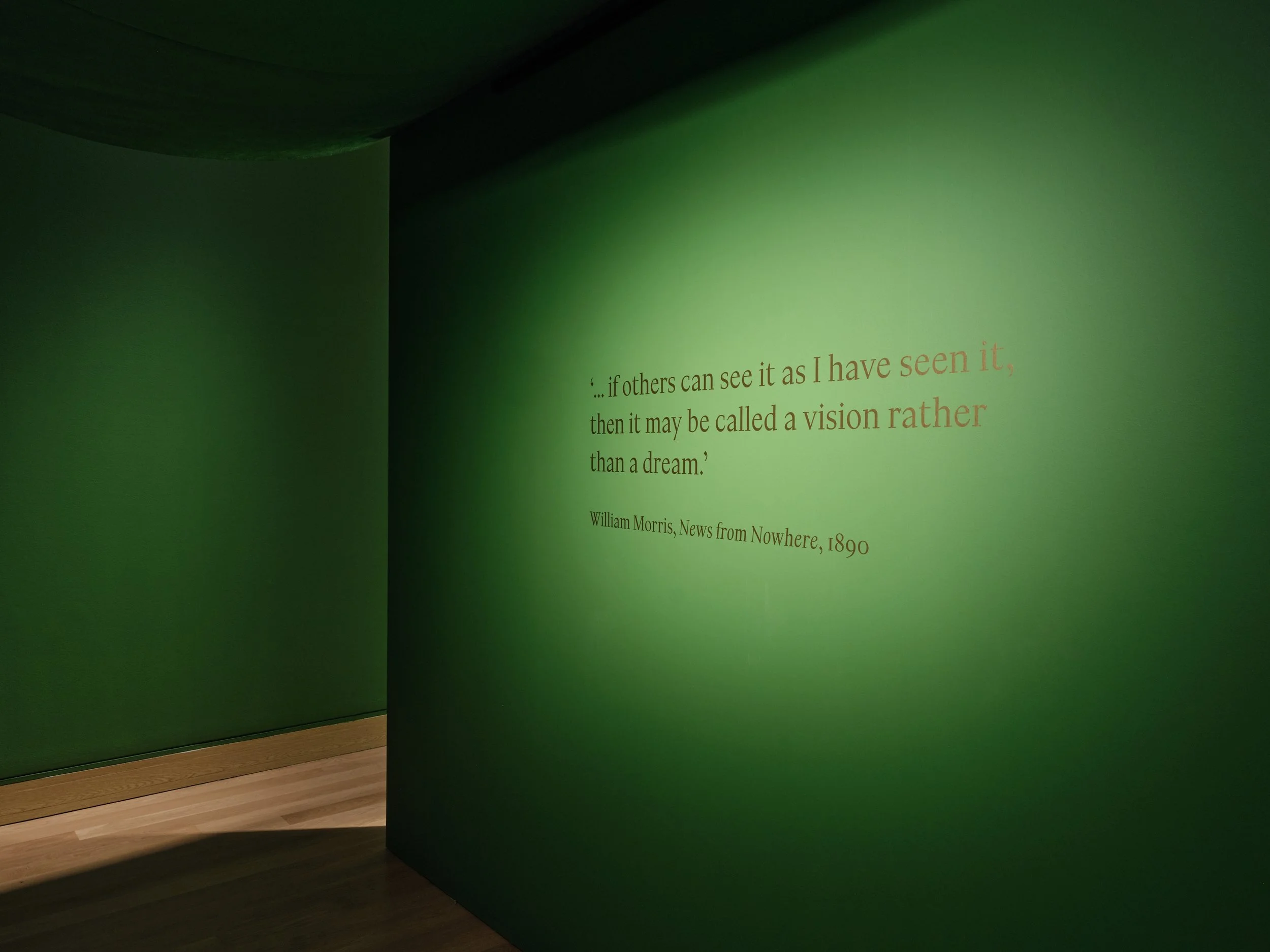
William Morris flourished in business with the help of major commissions and the help of his Beautiful wife Jane - she is a model for plenty of pre Raphaelite paintings He wanted to bring beauty into the lives of working people His famous axiom “ Do not have any thing in your home that is not useful or you do not consider beautiful” echoes the romantic - and idealistic - vision of his own work and his followers mission.He wanted a world shaped by beauty and design with beauty at its core. Some of this was built on radical religion, true descendants of John Wesley. Consider the ancient motto he adopted. ‘When Adam Delved and Eve Span, who was then a gentleman?”
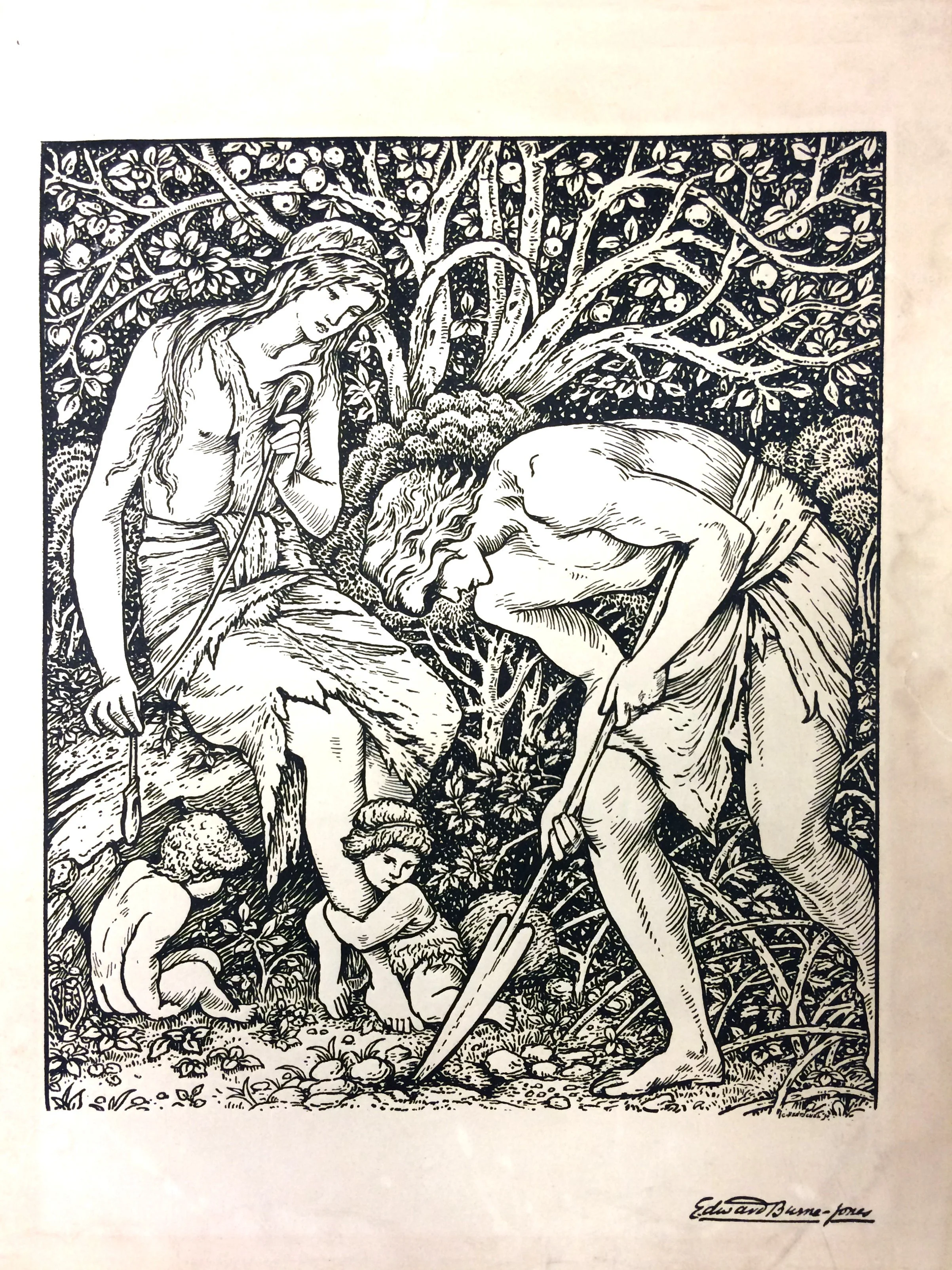
And here they are - with the darling babes presumably Cain and Abel
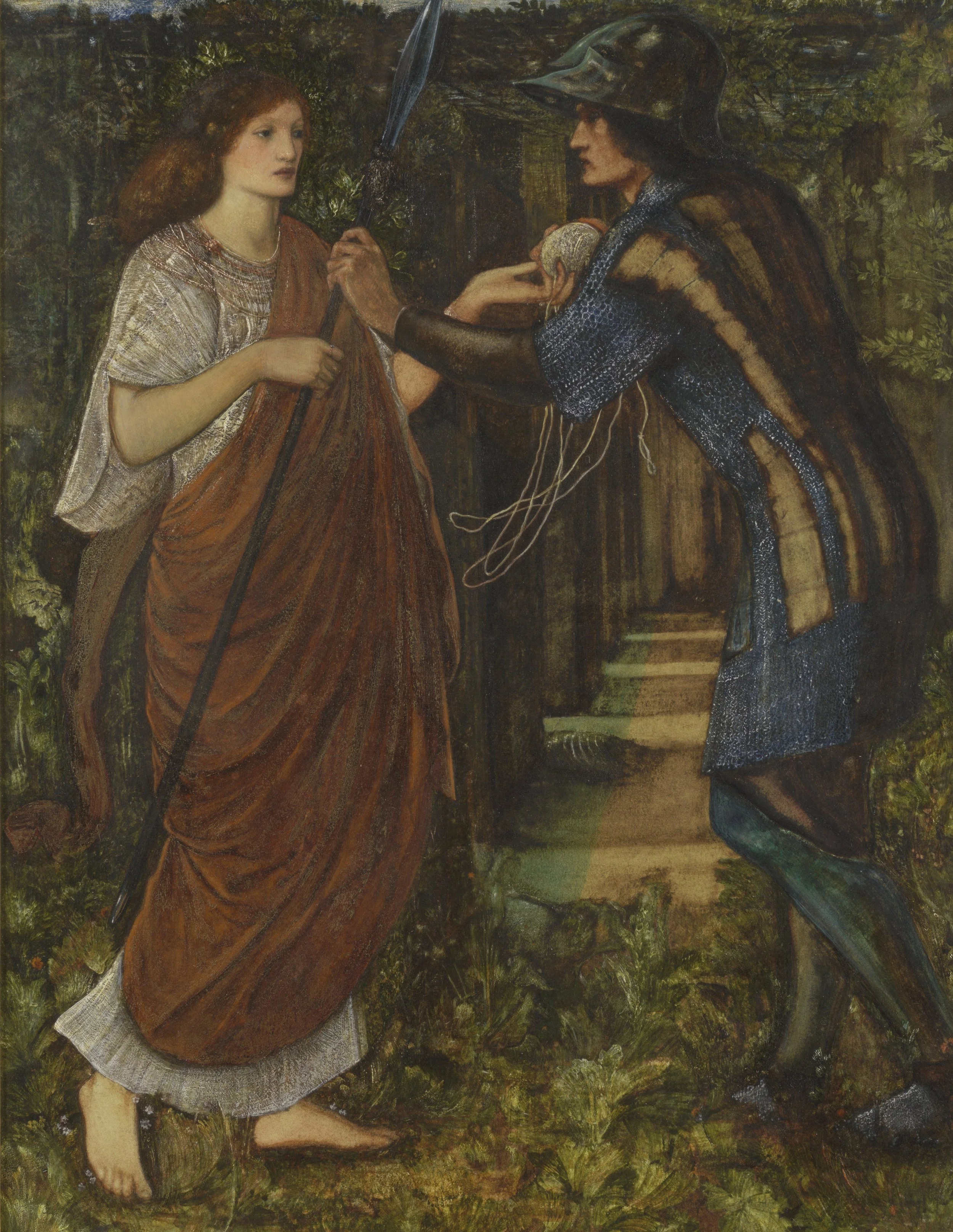
The Pre-Raphaelite painters interacted with Morris to express the height of historical romanticism - and link it to their vision of the future. Wonderful to see the pictures so familiar hung in a context where their simplicity contrasts with the opulence of their setting. Their circle hoped to spread a philosophy of liberty and simplicity through these visions and dreams of past. love and longing, the tragedy of some, the threat of others - see La belle dame sans Merci, interpreted by Victorian poets in parallel with the Movement’s paintings.