
Filipiñana - Cambridge Film Festival
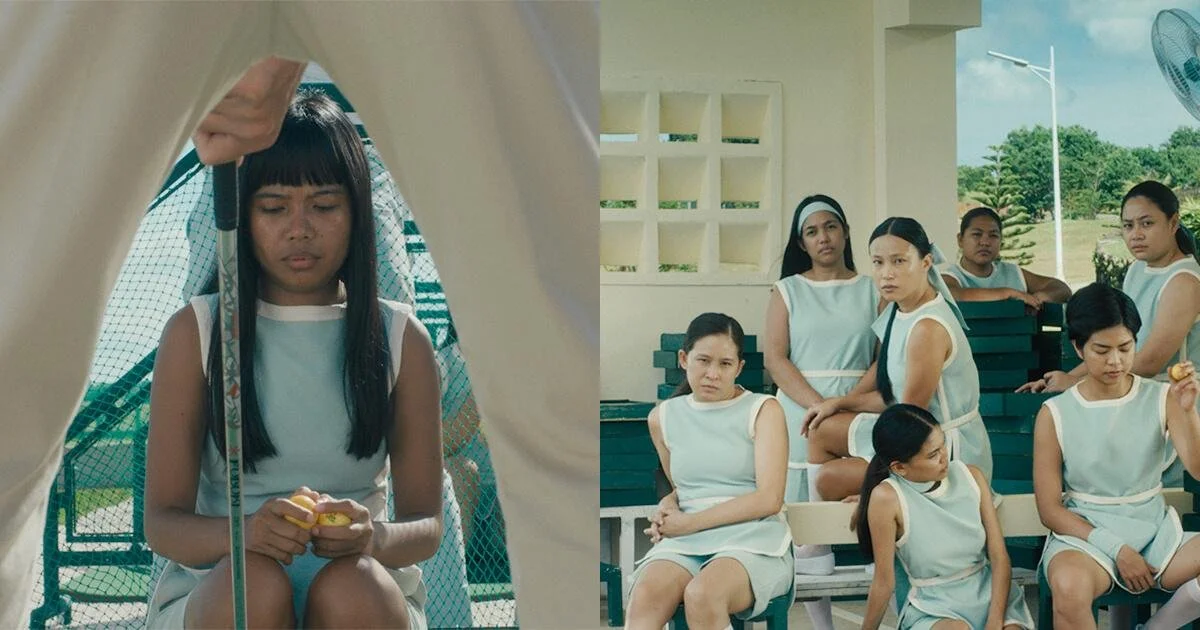
There was once a Victorian theatre called the Gallery of Illustration. Its name came to mind while watching Filipiñana, a remarkable and unsettling new film from Filipino writer-director Rafael Manuel. Set on an exceedingly posh golf course on the outskirts of Manila, where extremes of wealth and poverty exist within a stone's throw of one another, it offers a searing portrait of class inequality lurking just beneath those immaculately watered greens.
The style of filmmaking here is very much that of a gallery of paintings. Long, lingering shots, beautifully framed, lavishly coloured and loaded with allegory. Think less of a conventional movie than a succession of still-life paintings inviting us to take a long, hard look at the injustices on display. The camera hardly seems to move at times. Nor do we particularly want it to. There is so much to absorb in every exquisitely composed image.
At the centre of the story is Isabel (Jorrybell Agoto), a quiet, watchful seventeen-year-old who has found employment as a 'tee-girl' at the exclusive Maynila Country Club. Her task, along with that of other local teenage girls, is to place golf balls on tees for wealthy club members too lazy, apparently, to bend down and do it themselves. For this they receive a pittance while their employers enjoy every imaginable luxury.
Isabel's calm, almost expressionless face conceals a troubled inner life. She develops a particular fascination with the club's powerful president, Dr Palanca (Teroy Guzman), and when she attempts to return a misplaced golf club, she begins to penetrate areas of this privileged establishment normally closed to the servants. Gradually, and with considerable subtlety, we discover that her interest in the president is far from accidental. There are dark secrets beneath the club's polished surface, and Isabel's own past is somehow entangled with them.
Manuel is in no hurry to reveal his hand. Indeed, some viewers may find the pace almost glacial. But the apparent stillness is deceptive. The social satire is served gently, sometimes with an almost surreal sense of humour, while the growing sense of unease becomes increasingly difficult to ignore. And when the truth finally emerges, the effect is like a punch to the gut.
The golf course itself becomes a powerful symbol of post-colonial oppression. Here is land that might once have sustained local families, now transformed into a playground for the wealthy. Beyond the carefully tended lawns lies a world of poverty and water shortages, while within the club sprinklers keep the grass luxuriantly green. The contrast could hardly be more pointed.
There is another uncomfortable message here, one directed at ourselves. How often, as relatively affluent tourists, do we encounter apparently cheerful local people employed to serve our every need without giving much thought to the lives they lead once we have finished enjoying ourselves? The smiling waiter, the obliging hotel maid, the golf caddie: what do we really know about their circumstances?
Filipiñana is not an easy film, nor is it designed to be. Its beauty is almost hypnotic, its pacing deliberately unhurried and its underlying anger all the more powerful for being so carefully controlled. Rafael Manuel's debut feature announces a filmmaker with a highly distinctive visual imagination and something important to say.
It's a film to make you think, to ponder — and perhaps to cancel that golfing holiday.