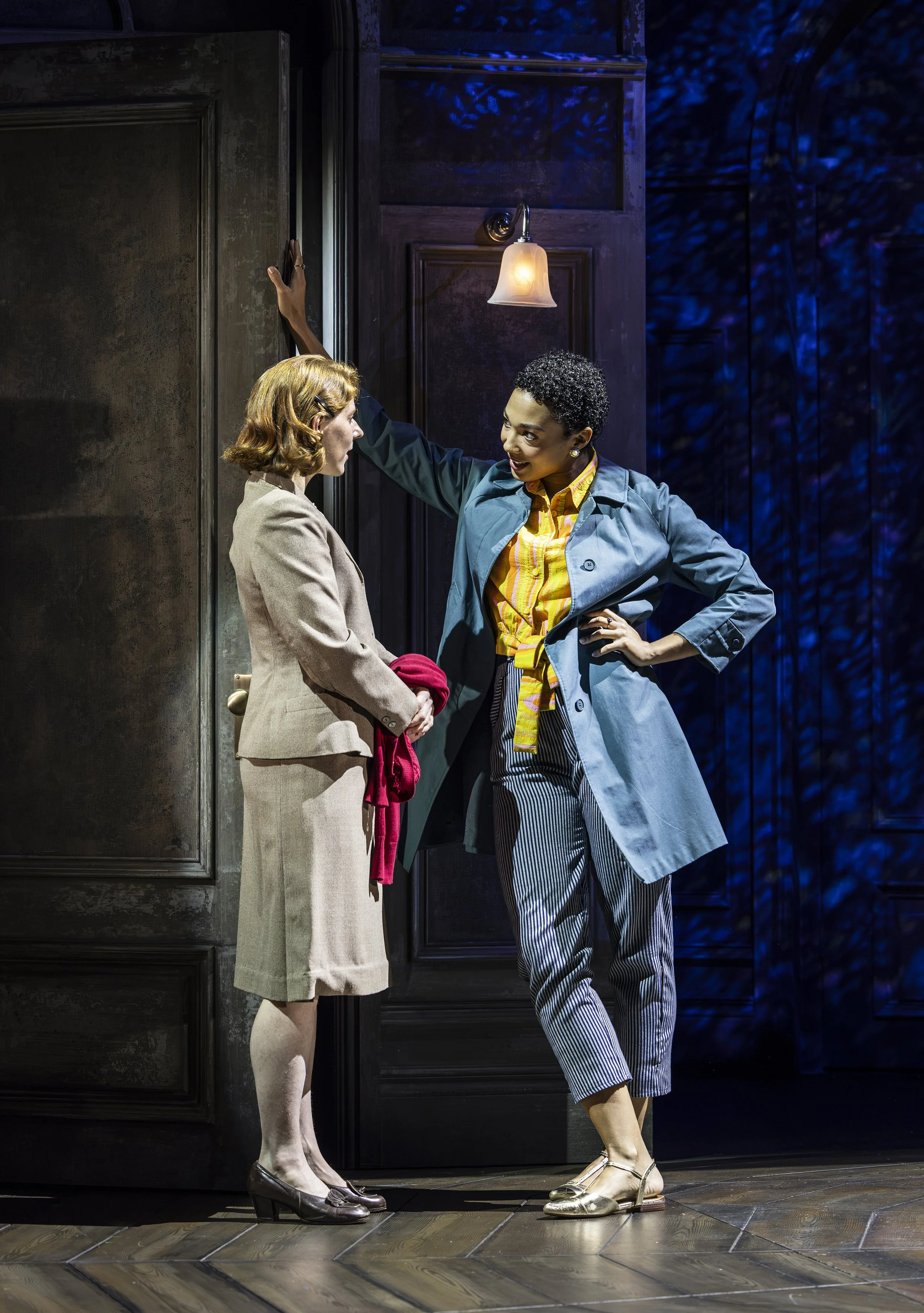
If existence began with the Big Bang, this play began with an even bigger one. Loud crashes, fearsome flashes, shadowy dashes and dissonant clashes whirl around the black hole that is Hill House – surely the most haunted property in the entire ghost-story universe. Based on Shirley Jackson's classic 1950s chiller, The Haunting of Hill House is light on plot but oh so heavy on special effects. And boy, were those effects special!
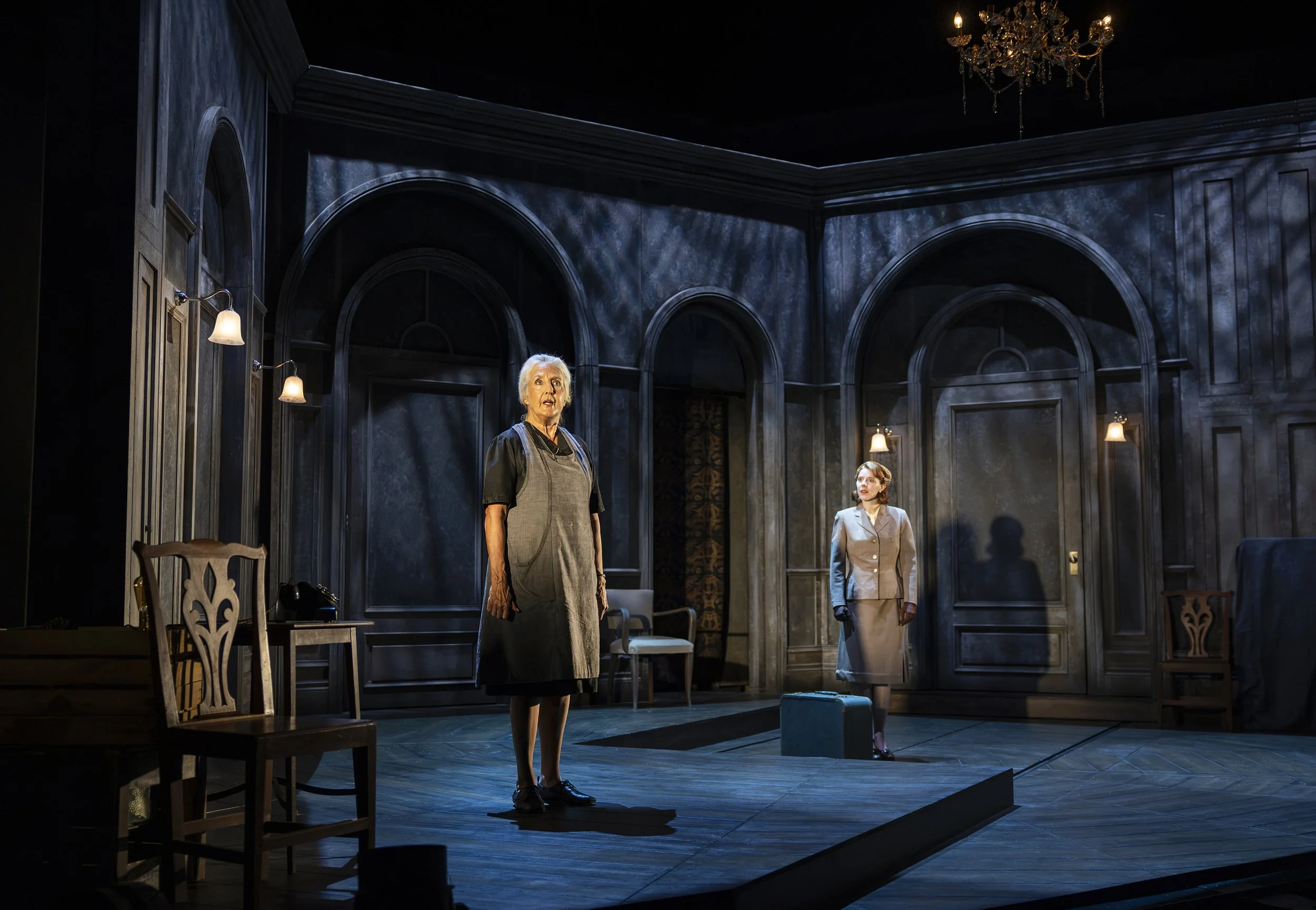
With jaw-dropping sound and lighting, and a set that doubled as a giant magician's box of tricks, this production was as thrilling a piece of theatre as anything I've seen at the Arts Theatre.
When I say seen, I must confess that a fair amount of my viewing was done from behind a protective hand. I lost count of the number of times I jumped out of my skin. Indeed, by the final curtain, the entire audience must have been completely skinless. Projected images swirl, dissolve and kaleidoscope across the stage, creating the sensation of watching a ghost story through 3-D glasses. How on earth was it done? I haven't the faintest idea. But the result was visually and aurally stunning.
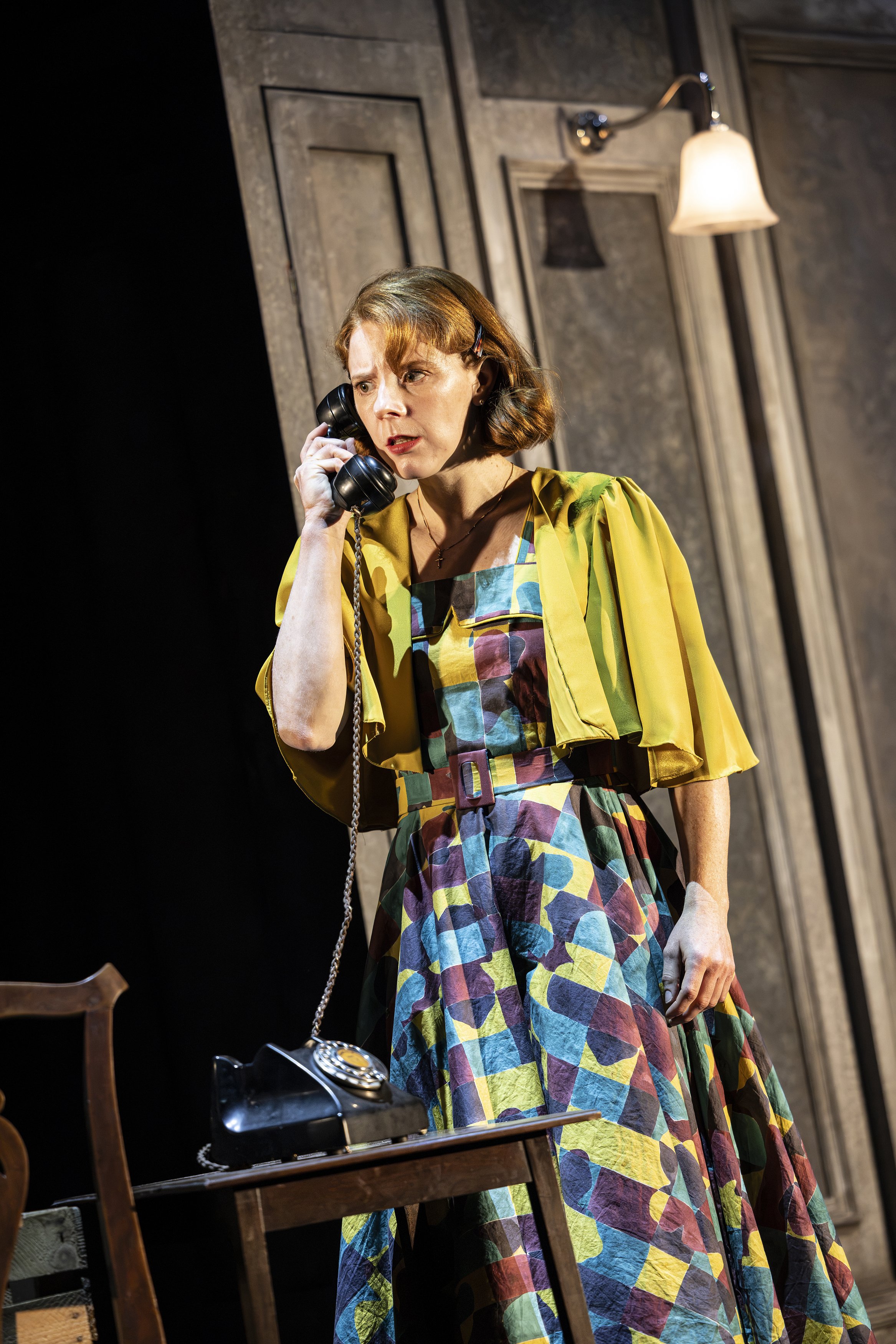
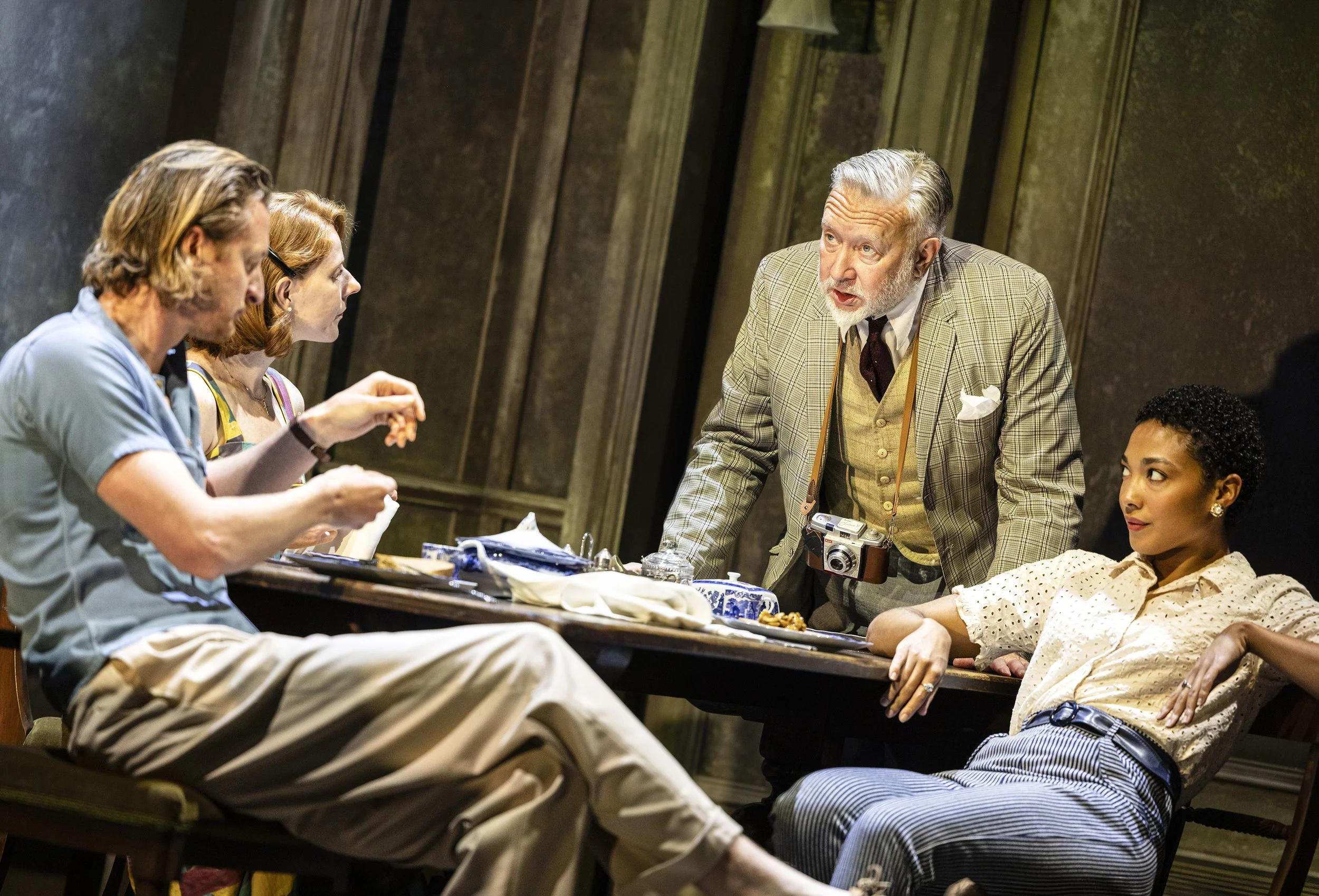
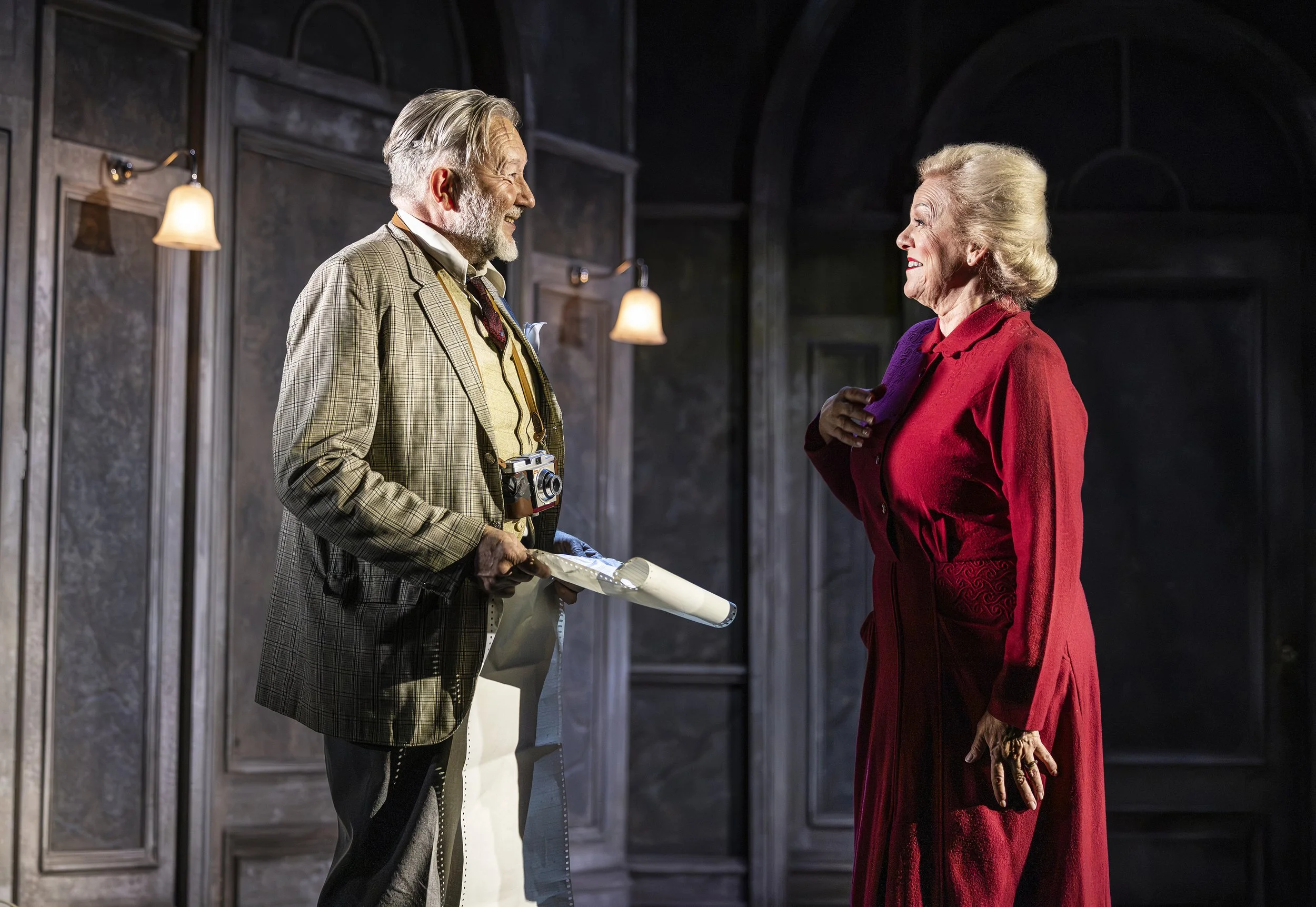
I needn't dwell too long on the plot, which cheerfully raids the entire haunted-house cupboard for its familiar ingredients. There is the remote, partially abandoned Gothic pile, naturally cut off from the outside world (no telephone, of course). There is the sinister housekeeper, played with deliciously unsettling restraint by Sian Howard. And there is the professor of psychic research (Jasper Britton), who seems rather more psycho than psychic.
At the centre of this phantasmagorical extravaganza is Eleanor, a nervy young woman recently liberated from the clutches of a controlling – and now conveniently deceased – mother. Clancy Ryan plays this troubled soul, particularly vulnerable to the malevolent forces that begin to stir when darkness falls. Whether the ghosts are haunting Eleanor or Eleanor is haunting herself is one of the more intriguing questions lurking beneath all the bangs and bumps.
But perhaps the real leading character is Hill House itself. This is no mere collection of rooms, corridors and creaking floorboards. The place seems to possess a spooky mind of its own, watching, listening, plotting and occasionally throwing a spectacular tantrum. Walls appear to have eyes, doors have minds of their own, and the entire building seems to take a malicious delight in tormenting its unfortunate guests. Forget things that go bump in the night. Here it is the house itself that does the bumping.
But psychological subtleties are not really the main attraction here. This is theatre as a fairground ghost train, with the audience strapped in and the operator apparently determined to give everyone a nervous breakdown before the final stop.
Director Martin Constantine deserves a paranormal medal for keeping this wonderful nonsense moving at such a cracking pace. The timing of every spectral appearance, sudden blackout and blood-curdling crash is executed with almost diabolical precision.
The technical team deserves to be summoned for a special round of applause. Duncan Maclean's extraordinary video design is a show in itself, while Chris Davey's lighting, Ti Green's ingenious set and Johnny Edwards's thrilling soundscape combine to give Hill House its own terrifying personality.
It is rare to see a production in which the technical wizardry becomes such an integral part of the theatrical experience. Here, the illusions don't merely support the haunting. They are the haunting.
If you have hair, prepare for it to stand on end. If you have nerves, prepare for them to be shredded. And if you're looking for a quiet evening at the theatre, for heaven's sake, stay away from Hill House.
Review written by Mike Levy
All superb Photography by Pamela Raith