NOUVELLE VAGUE - ARTS PICTUREHOUSE
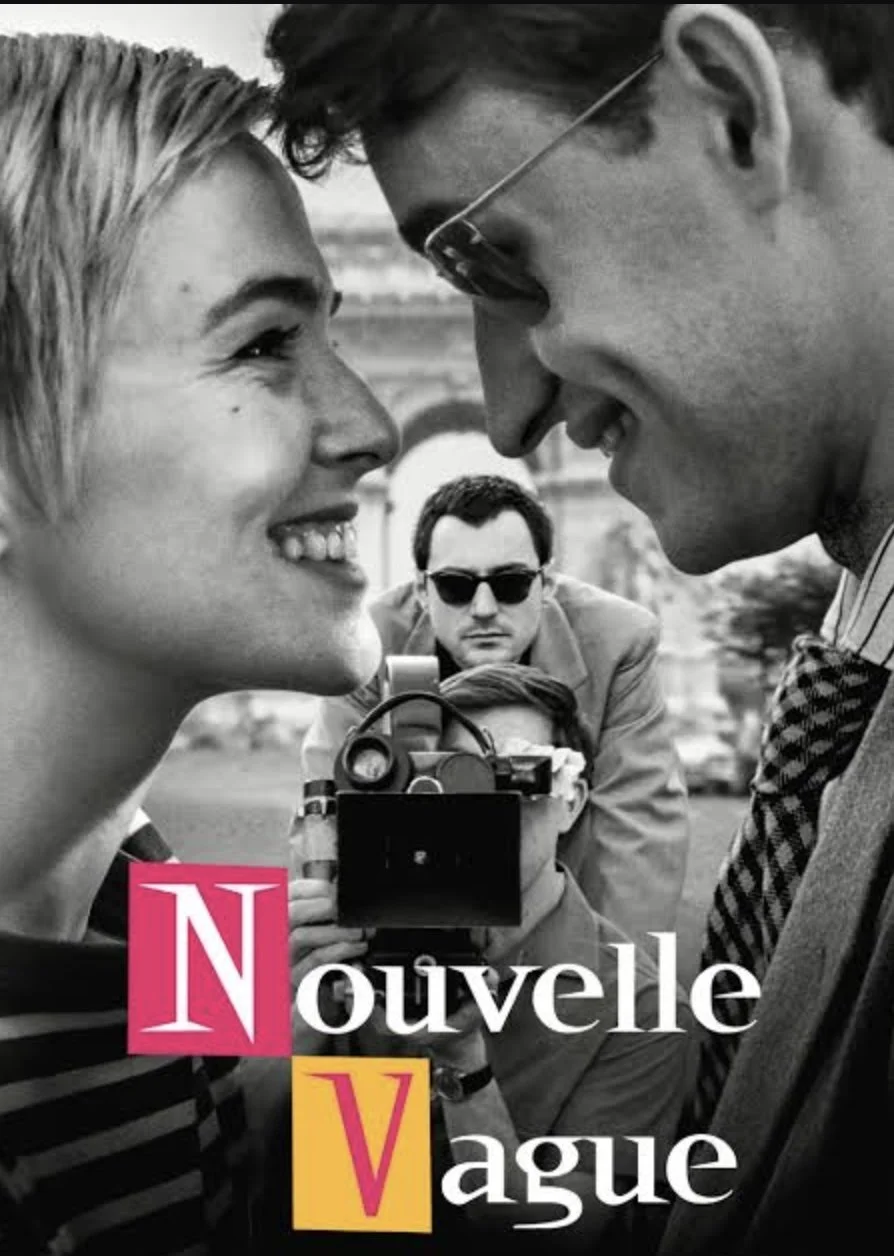
Still from Nouvelle Vague,
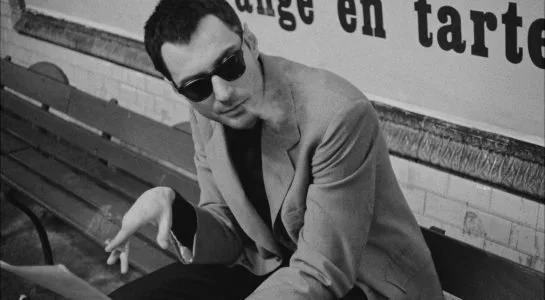
Richard Linklater’s Nouvelle Vague is less a biopic than an act of cinematic séance: a film that doesn’t simply portray the birth of the French New Wave but attempts to breathe inside its atmosphere. Rather than constructing a conventional narrative, Linklater recreates the sensation of a moment — Paris in 1959, when cinema itself seemed to be waking from a long, polite sleep.
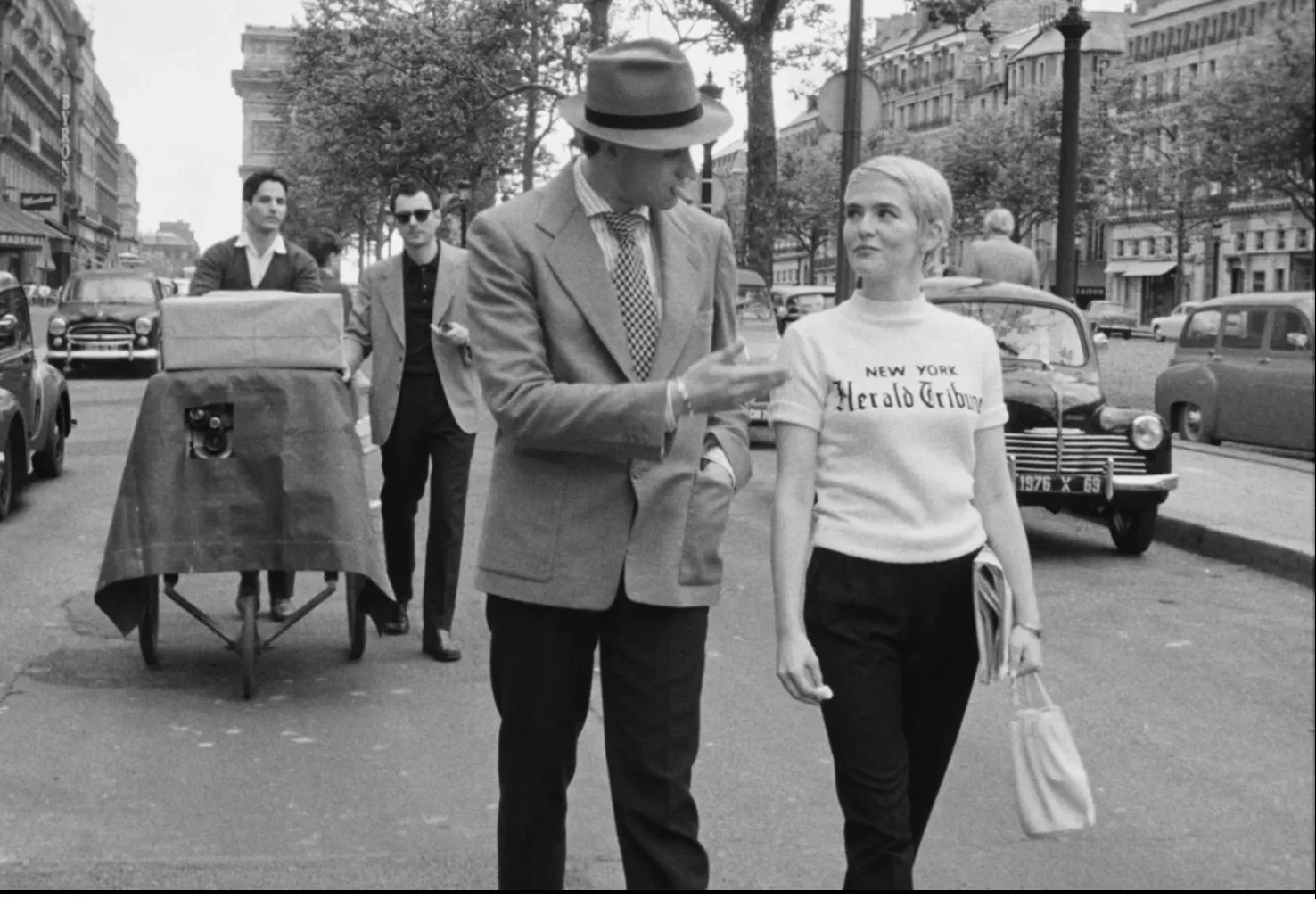
At its centre stands the young Jean-Luc Godard, played with mercurial intensity by Guillaume Marbeck (whose performance captures both intellectual arrogance and fragile uncertainty). Around him orbit recognisable figures of film history — Truffaut, Rohmer, Chabrol — embodied not as museum pieces but as restless young men impatient with the cinema they inherited. Zoey Deutch (as Jean Seberg) brings a luminous stillness, her presence evoking not imitation but memory: she feels less like an actress playing Seberg than like the idea of Seberg re-encountered. Together the cast avoid parody; they behave as though unaware of their future mythologies. There is a palpable feeling of déjà vu in reverse here. It’s a little unsettling but that is probably Linklater’s intention.
The sense of place is extraordinary. Linklater films the monochrome postwar Paris not as postcard but as working environment: streets, cafés, cramped apartments, borrowed cameras, conversations stretching past midnight. The city becomes less backdrop than collaborator. Pavements feel newly discovered; passing cars, glances, interruptions — all are treated as events. The film’s texture deliberately recalls Godard’s own methods, yet it never collapses into pastiche. There’s the handheld jerky camera, there the improvised dialogue, the crazy crosscuts and the verite style.
There’s a nice understated performance by Bruno Gouery playing the long-suffering money man, Georges de Beauregard who did not regard Goddard very beautifully at all. His frustrations with the filmmaker’s cancelled shoots, long lunches in the bar, and very short rolling days were nevertheless tempered with an avuncular affection for the naughty auteur.
The homage to Godard is unmistakable but affectionate rather than reverential. Linklater understands that Godard’s Gauloise-fuelled Gallic revolution was not just aesthetic but psychological: permission to look, to interrupt, to digress. Accordingly, Nouvelle Vague unfolds in fragments — conversations about movies, philosophy, love — drifting between documentary and fiction. The result feels authentic not because it copies the New Wave style, but because it recreates the uncertainty that produced it. The film becomes a love letter to cinema precisely by showing cinema being invented in real time.
By the end, Nouvelle Vague feels less like a historical reconstruction than an act of gratitude — one filmmaker acknowledging the moment that allowed filmmakers like himself to exist. It is gentle, playful, and intellectually curious, but also quietly unsettling. Linklater reminds us that revolutions in art rarely look monumental while they are happening; they look like friends talking late at night, unsure whether anything they are doing will matter. In this case, there in 1959 Paris, it certainly did.