CCSO - SHOSTAKOVICH, ARNOLD AND CLYNE
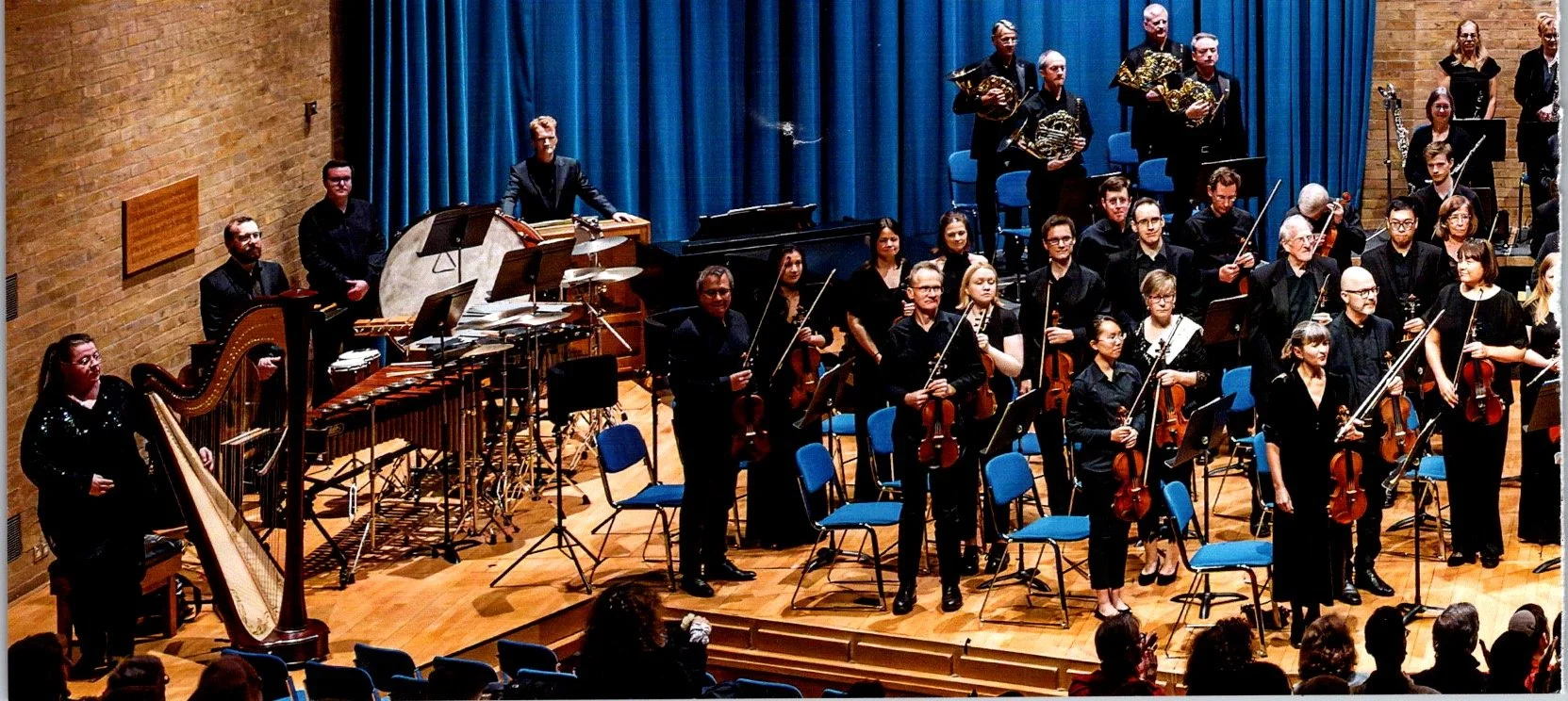
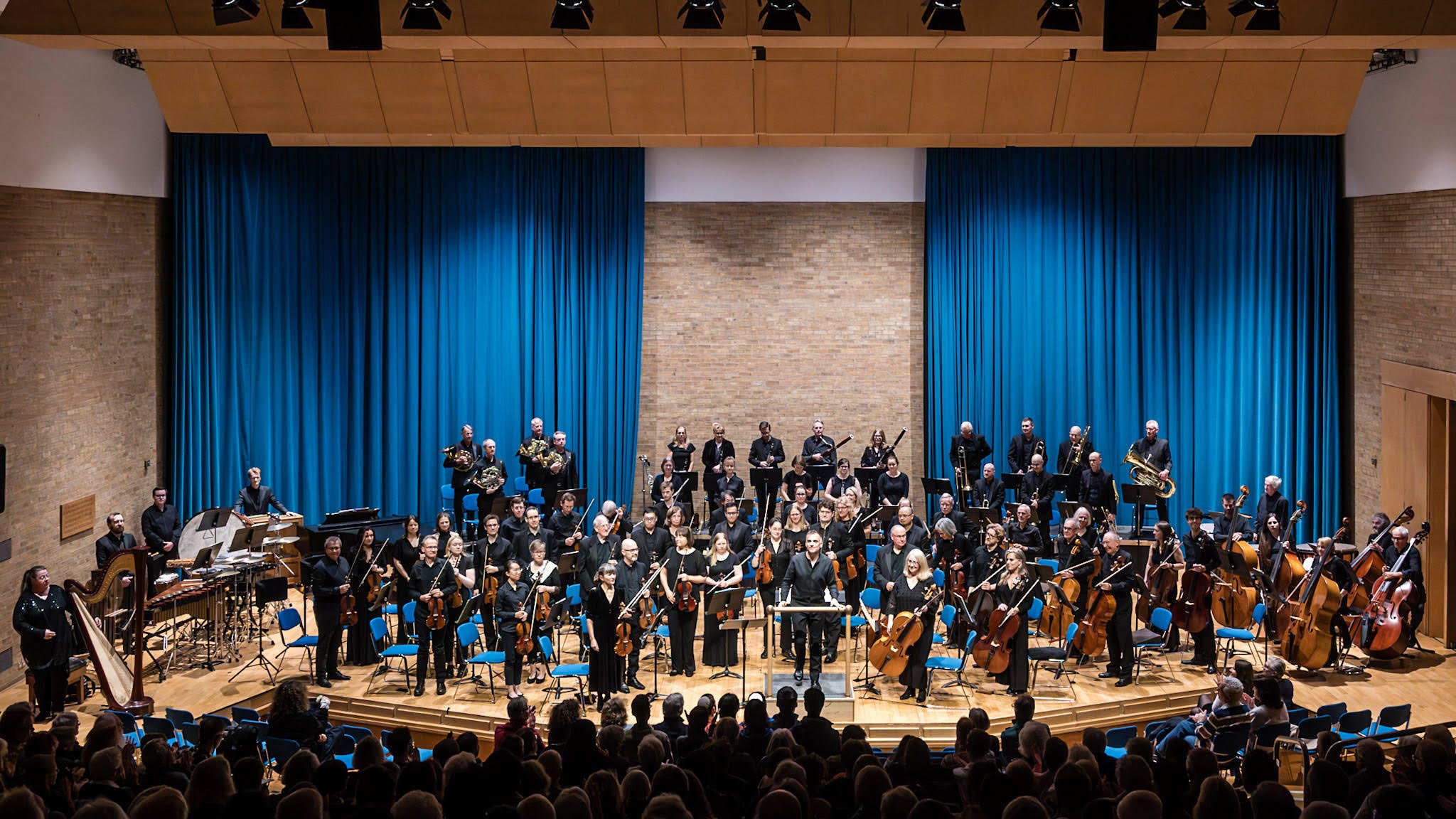
The long and the short of it. That sums up this evening’s concert given by the City of Cambridge Symphony Orchestra (CCSO). The short were two wonderful pieces by Malcolm Arnold and Anna Clyne. The long – the very long – Shostakovich’s ‘Leningrad’ symphony. Clyne (born 1980) wrote ‘Masquerade’ in 2013 when it opened the Last Night of the Proms’. It begins with a bang – literally; a huge strike on the drums. It knocked the audience at West Road Concert Hall back in its full-house seats. The CCSO were out in force with a massive orchestra under the fluid baton of Robert Hodge. Their reading of ‘Masquerade’ sounded pitch perfect with its startlingly swirling cross rhythms, soaring melodies and jolly folk tunes. The composer’s aim was to conjure to festive mayhem of 18th century pleasure gardens. It was a rollicking start.
Second up was another short and snappy piece, Arnold’s Trumpet Concerto. It a really attractive piece – rarely heard – containing three short movements. The first has some Handelian fanfares and devilish runs for the soloist. In this case, the young trumpeter Reuben Anelay, did the work proud and proved he is a talent in the making. The middle movement has an eerie call and response feel that added an unexpectedly creepy mood. This was soon dispelled by a very short but tuneful finale. I wish we could hear more of Malcolm Arnold, his determination to use melody and harmony in his work made him unpopular with the musical establishment; so well done CCSO for letting us hear that little gem.
The second half of the evening was over-filled with Shostakovich’s massive Seventh Symphony. It was written during the siege of Leningrad from 1942 when players were starving and weak. An audience member, overhead, commented at the end that it was rather cruel to make the exhausted wartime players work so hard.
I have to come clean: the ‘Leningrad’ is not my favourite Shostakovich (and I am generally a lifelong fan of the late Russian genius). It has a massive and earth-shattering first movement. Reminiscent of Ravel’s ‘Bolero’ with its repeated musical motif against an insistent rhythm – here are truly scary side drum. The orchestra were outstanding in all sections; the beefiest of brass, beautifully aligned strings, playful or wistful woodwinds and ear-splitting percussion. It was thrilling and chilling in equal measure.
No fault of CCSO, but I have always found the remaining movements over-long, repetitive and lacking in nuance. The last ten minutes bring the opening theme back and there is a sense of exhausted victory tinged with bitterness. The band deserved its standing ovation both for the quality of its playing and its sheer staying power. This was a thrilling evening of music, and that’s the long and the short of it.