CARWITHEN, PIANO CONCERTO

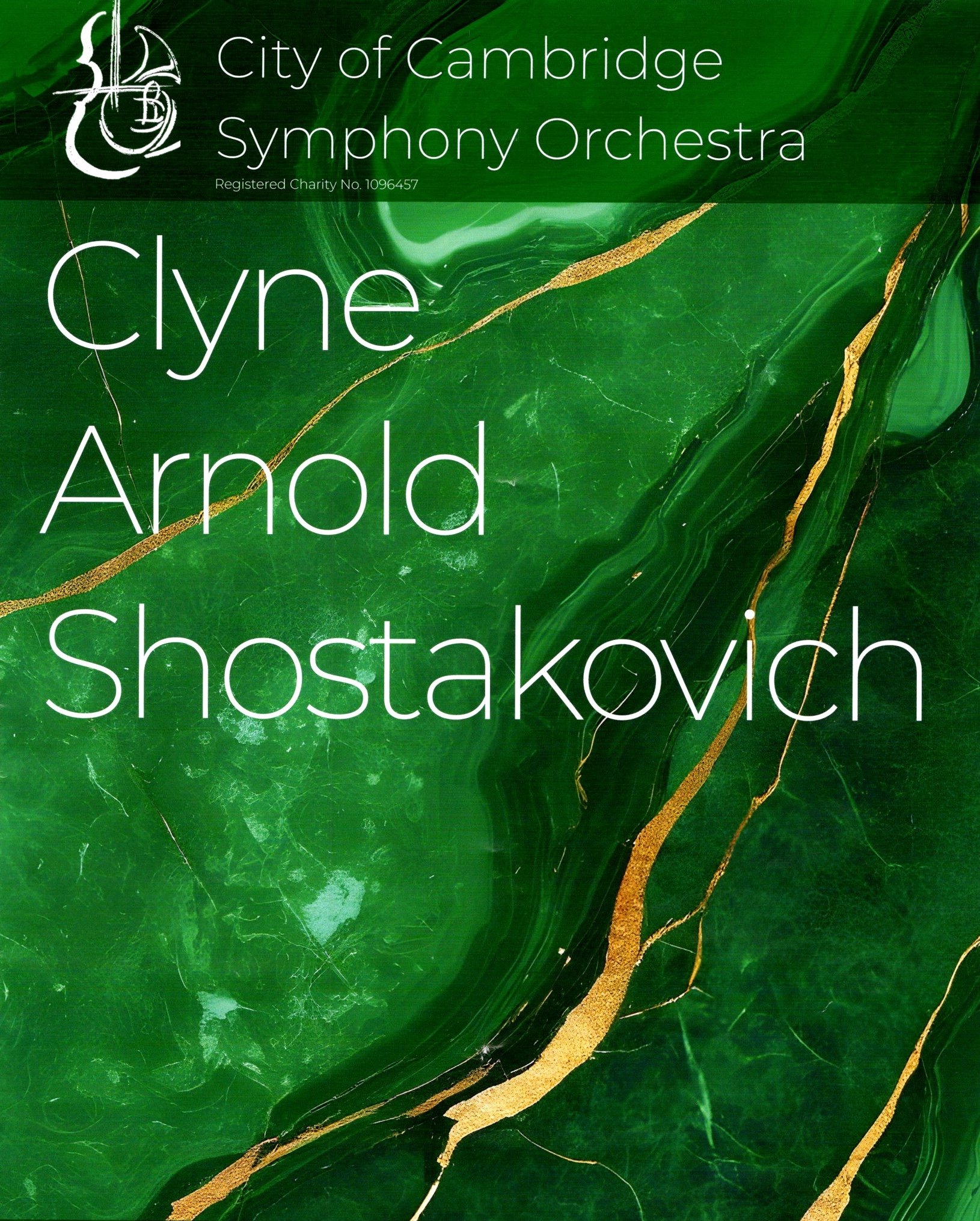
The City of Cambridge Symphony Orchestra (CCSO) is no stranger to the strange or unexpected programme. Saturday night at West Road was no exception. It began with a real challenge for players and the ears – ‘Symphonies of Wind Instruments’ by Stravinsky. This woodwind and brass only piece calls for the most exacting of playing – driving rhythms a-la-Igor and some unsettling dissonances which on brass can ripple like a ripe raspberry. Under the baton of their dynamic conductor Robert Hodge, the band took this tricky piece in its stride. I am not sure if the Russian’s modernist piece of 1921 won too many new fans but the sound world created was exciting and never dull. Stravinsky weaves in jolly folk tunes, more solemn chants and declamatory statements with beefy fanfares and ear-jangling harmonies. It was a brave choice as opening number but nothing compared to the next work.
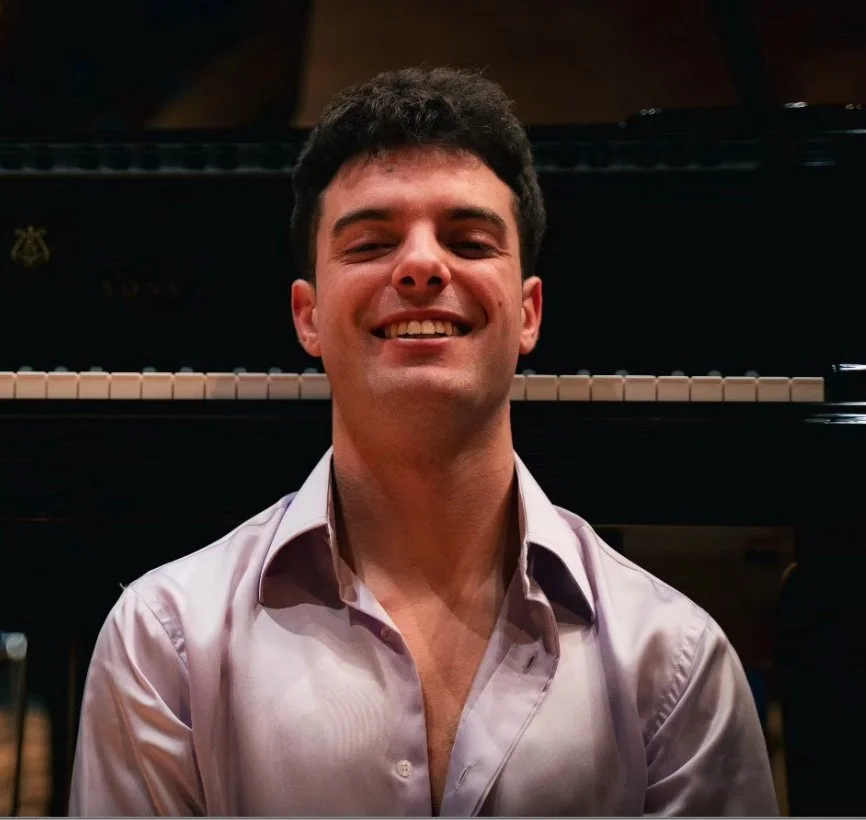
Next up was the Piano Concerto by….Doreen Mary Carwithen. Who she? You may ask for her name, like those of many a female composer has been consigned to the remotest grove in the Grove. Carwithen was primarily a British composer of film scores (over 30 of them) in the 1940s and 50s. The concerto was written in 1948 when she was just 26 but not premiered until several years later. The soloist in this rare work was the Spanish pianist Juan José Blásquez Garre, a young man who bounded on the stage looking like he’d just won El Gordo; all smiles, delighted to be there. As were we.
The concerto is an absolute delight – a very lovely piece of very British music. It’s hard to pin down Carwithen’s style: think Prokofiev had he come from the Surrey Downs, add in more than a touch of late Rachmaninov, glimpses of Vaughan Williams pastoral but very much something of her own. Garre loved every note – adding a muscular reading to this chunky piece brimming with melody and music drama. There was a delightful duet with CCSO’s wonderful leader Philippa Barton whose violin playing is of the first rank. Each of the three movements was packed with exciting sounds, great melodies and plenty of chances for the soloist to show off his outstanding talent. I really want to hear this concerto again and much more of Doreen’s output.
The final piece after the interval was Rachmaninov’s Symphonic Dances. This very late work, almost a last gasp of late Romanticism was the Russian master’s swansong. After a wonderful, catchy and yes, fun, first movement packed with dancing notes, things become a little less exciting. There are waltz rhythms and some mighty orchestral outbursts but I have to confess that I’ve always thought the great Sergei ran out of ideas after that first movement. All that said, the CCSO played with magnificent conviction, defying any improbable rumour that this is an amateur orchestra and sounding majestically together. The huge finale blew any residual cobwebs out into West Road and there was a sense of well-deserved triumph as Hodge led his orchestra into a series of very well-earned bows.