
ALBERT CAMUS LETTERS translated by sandra smith and Cory Stockwell
‘We met, we recognized each other , we gave ourselves to each other, we succeeded in creating a burning love of pure crystal – do you realize how happy we are and what has been given to us?
Maria Casarès June 4 1950
Strong enough to live without illusion, and bound to one another , by ties of the earth, the heart, and our bodies, nothing can surprise us I know it, nothing can divide us’
Albert Camus February 23, 1950
I thank them both. Their letters make he earth more vast, space more luminous, the air lighter, simply because they existed’ Catherine Camus ( Camus’ daughter)
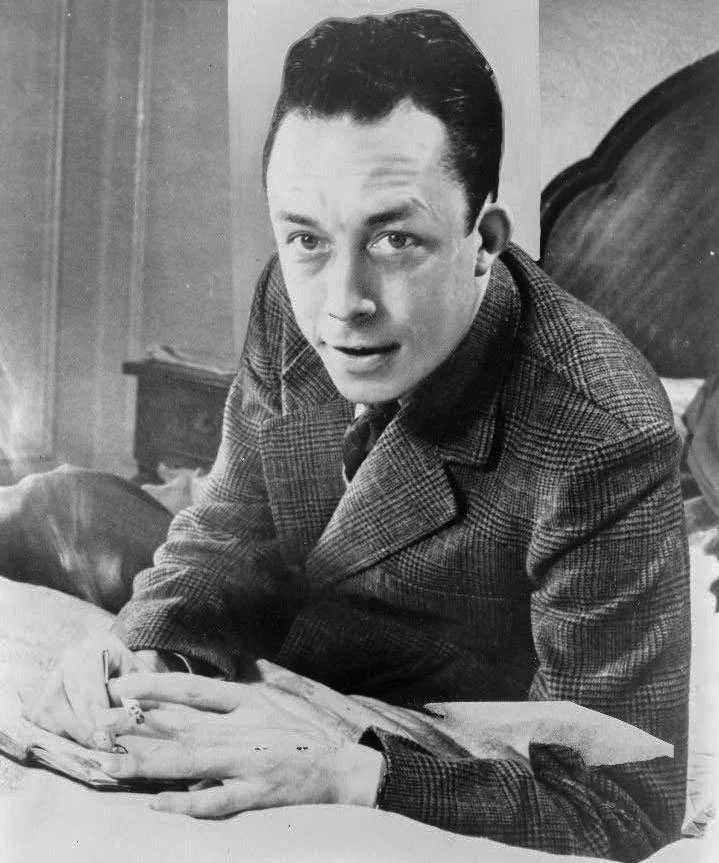
This immense volume must be one of the most passionate and meaningful exchanges between lovers ever. Translator Sandra Smith a life- long admirer of the work of Albert Camus clearly thinks so . She is the translator of L’Étranger Penguin UK as The Outsider) among other works, . But her reaction to the publishers’ offer to turn this correspondence into English was ambivalent.
’ Of course, the letters had already been published in French and to great acclaim ‘ she writes in her introduction, these lovers were ‘as popular in Europe as Jean-Paul Sartre and Simone de Beauvoir.’
Yet the task was immense. Three years and nearly two thousand pages later Sandra was unwearied and still moved by the work before her. Endless consideration went into the choice of some words – how to maintain the sense of French feeling without straying far from the original – ‘traducteur/traiteur’ is the saying - translator/traitor,. But Sandra Smith has achieved the almost impossible
“ As I kept reading, the sheer beauty of the letters conquered my hesitation . The thoughts and feelings of both lovers were so insightful, especially because theirs was a truly complicated relationship. I felt that anyone who read these letters would be able to relate to them. And very few people can describe deep emotions better than Camus.’
“We are privy to the most intimate fears dreams and thoughts of two world - famous personalities. We learn things we could not know any other way; their great love of the sea and nature, their desire for privacy their love-hate relationship with Paris and high society, their reaction to critics and reviews. They have doubts and suffer from anxiety. They are more than their fame or public personas: they are human.”
Tragically Albert Camus was killed in a car crash as he drove home from the South of France, longing to see, Maria, planning a dinner together. Yet the letters live on into posterity as a testimony to his work as philosopher and writer as well as his poignant love for Maria Casares who at the time was more well known than him.
‘Are these letters both ways?’ asked an interested reader when the book was first mooted. The answer it ‘certainly’ . Maria ‘s responses are so wonderful and as passionate as his.
The book lays out the contemporary world they both lived in. It reveals a society now long gone, but full of surprising detail . A moving love story but a sweep through the cultural landscape of the time.