THE SPY WHO CAME IN FROM THE COLD - ARTS THEATRE
Hurrah for air conditioning. The audience at the Arts Theatre came in from the warm to watch a spy who came in from the cold.
John le Carré's 1963 novel has long been regarded as one of the greatest espionage stories ever written, so it is surprising that it has taken more than sixty years to reach the stage. Yet David Eldridge's adaptation proves that the murky world of spies, double agents, betrayal and the Berlin Wall is made for live theatre. Here are the familiar ingredients: the British intelligence service – "the Circus" – pitted against the cunning Communists of East Germany, where trust is a luxury and betrayal is almost a job description.
Necessarily, Eldridge's script is wordy; there is an awful lot of plot to squeeze into one evening. After a rather deliberate opening, however, the production gathers momentum, building towards a series of gripping climaxes.
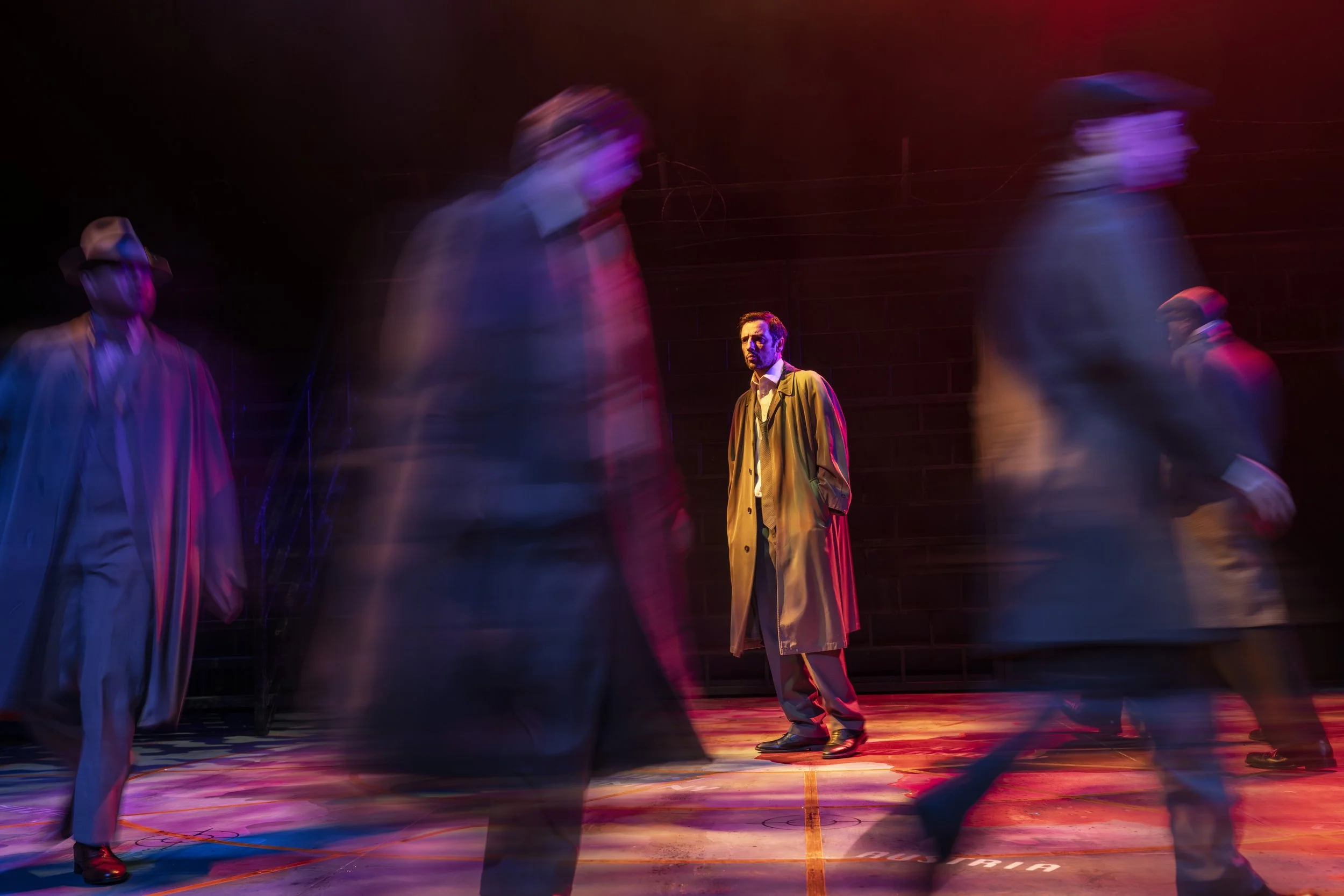
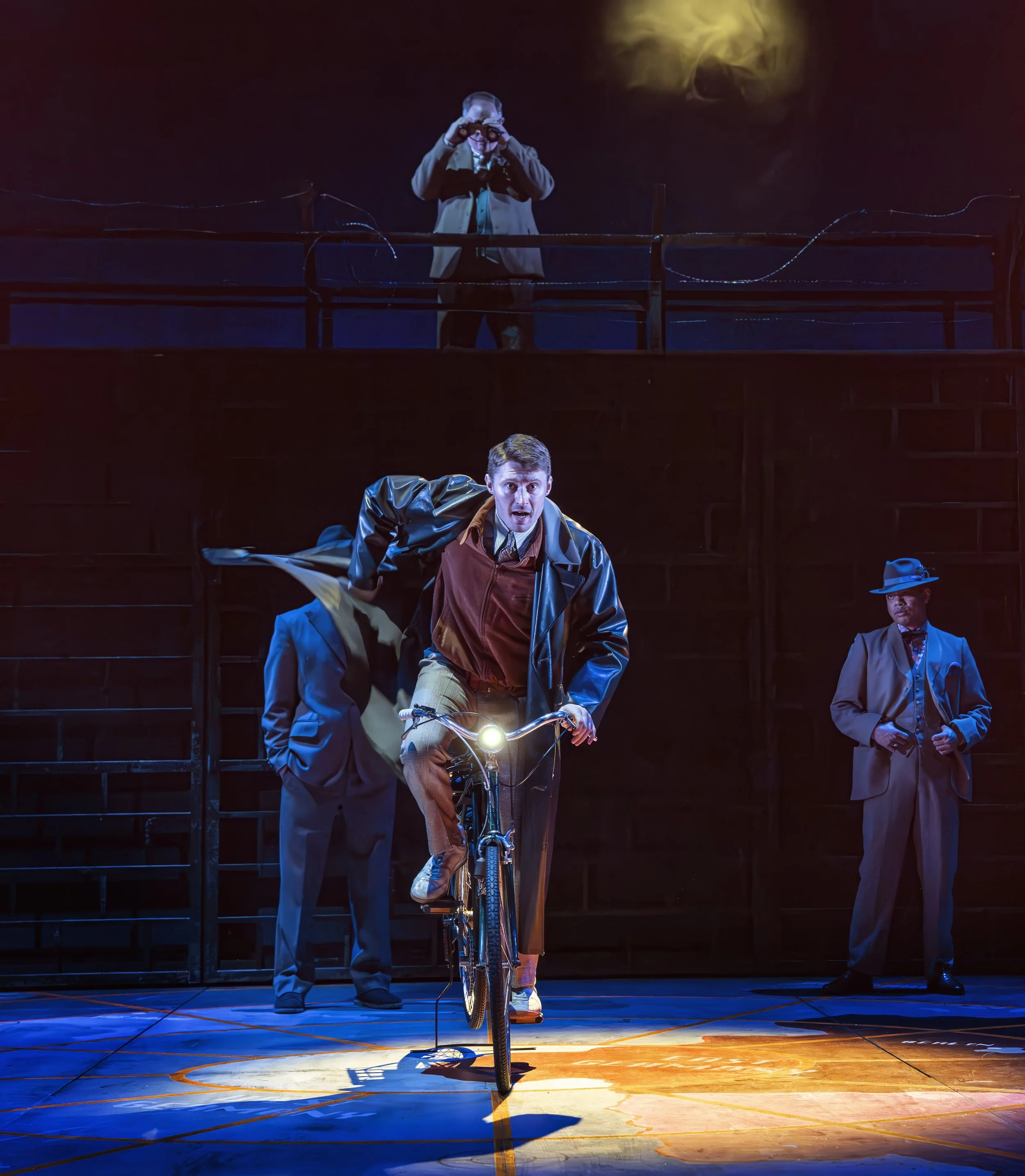
I won't even attempt to unravel every twist except to say that the central figure is Alex Leamas, the eponymous spy, played by Ralf Little. Leamas has had enough of Berlin Station, where one by one his East German agents are hunted down and killed. This is espionage stripped of glamour. There is no Aston Martin, no shaken martinis and certainly no licence to enjoy oneself. Leamas is tired, disillusioned and living on the edge, his marriage over and his resentment of his public school educated superiors – including Control and George Smiley – barely concealed.
Back in London he begins a relationship with Liz Gold, a young Jewish librarian and committed Communist who has no idea of his real profession. Nor does she realise that Leamas has been chosen for one last audacious mission: to frame the senior East German intelligence officer Mundt, himself a former Nazi turned Communist. As Leamas falls genuinely in love with Liz, the carefully constructed deception begins to unravel, with devastating consequences.
Ralf Little captures Leamas's bitterness and simmering anger convincingly. He may be a little younger than one imagines the battle-scarred, world-weary spy, but he conveys the emotional exhaustion of a man who has spent too long operating in the moral twilight of Cold War intelligence. Gráinne Dromgoole brings an appealing vulnerability to Liz, although her performance remains rather understated throughout. A little more emotional range would have made both her character and her relationship with Leamas even more convincing.
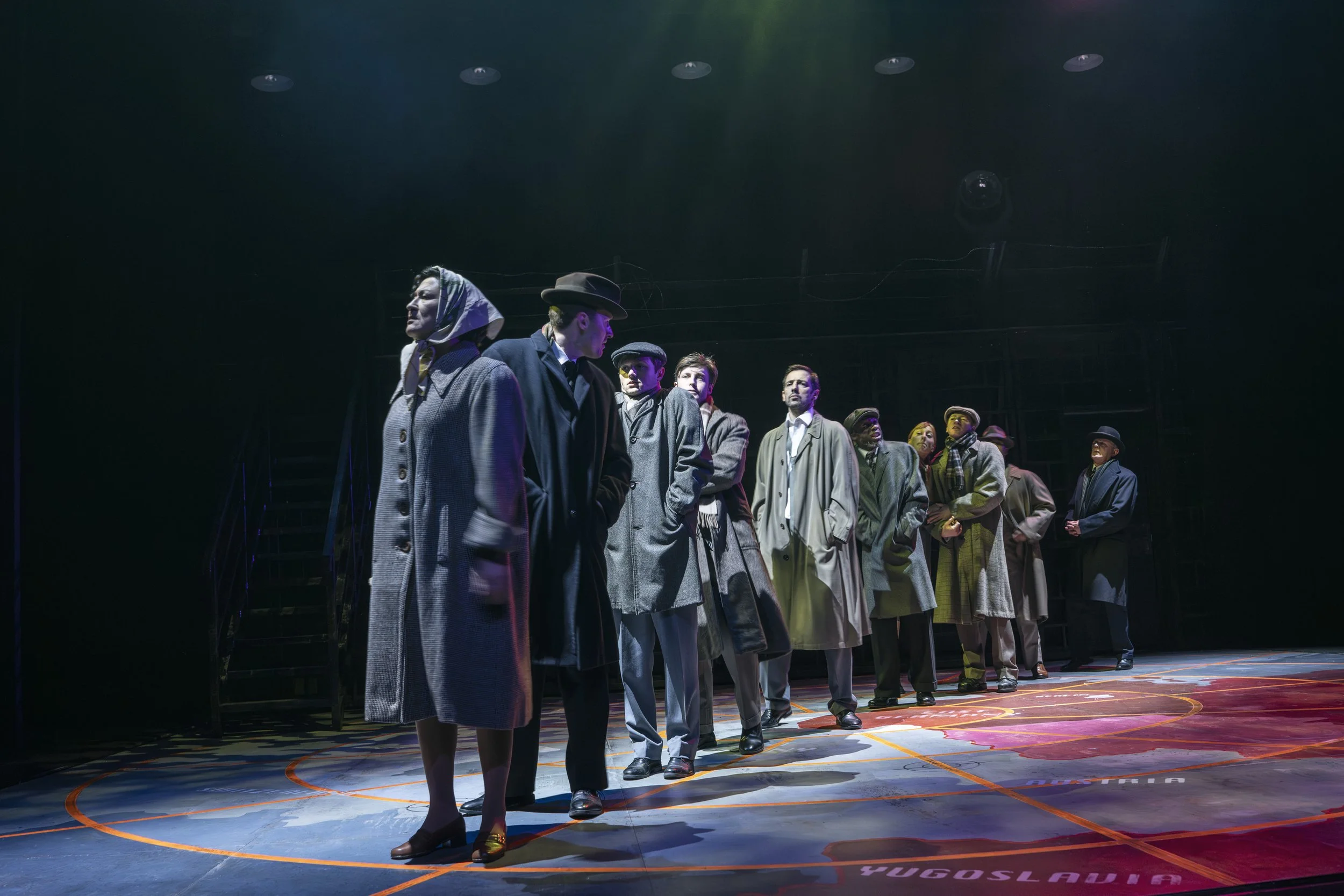
Jeremy Herrin's direction is fluid and assured, creating a succession of locations with cinematic ease. The production is steeped in Cold War atmosphere: stark lighting, monochrome sets and a mournful trumpet soundtrack evoke a world of rain-slicked streets, cigarette smoke and perpetual suspicion.
Occasionally the characters feel more like pieces being moved around a chessboard than fully rounded people. That is perhaps inevitable in a story where everyone is manipulating everyone else. Fortunately the plot is so absorbing that the emotional distance rarely becomes a problem.
Those of a nervous disposition should be warned that there is an extremely unsettling water-torture scene. The spies of the Cold War were not renowned for their bedside manner.
If you're a fan of le Carré, you'll relish this dark, intelligent thriller. The plot has more twists and turns than the T4 bus to Newmarket, so expect animated discussions on the journey home as you try to work out who betrayed whom – and why.
The production is not without its flaws, but it is a compelling theatrical puzzle that reminds us why The Spy Who Came in from the Cold remains one of the finest espionage stories ever written.
You'll certainly leave the theatre relieved you never worked for MI6.
Or did you?